Europe sovereign AI ambition stalls on data centre limits
A new survey from Onnec warns that Europe's sovereign AI ambitions could be strangled by data centre constraints, with 74% of operators seeing sovereign cloud as a significant opportunity.

Europe sovereign AI plan faces a hard reality check
Europe's sovereign AI ambitions are crashing into a gritty, expensive problem. It's not about policy debates or geopolitical strategy. Building enough data centres is the real challenge. New research from infrastructure specialist Onnec warns that the continent's push for self-reliance in artificial intelligence could stall because of power shortages, planning delays, and the sheer difficulty of upgrading existing facilities, not a lack of political will. But that optimism comes with a long list of caveats. The survey of 300 senior data centre decision-makers across the UK, Ireland, and the Nordics found that 74% of operators see sovereign cloud as a major opportunity over the next three years.
The numbers behind the push
The demand signals are hard to ignore. You can't miss them. Gartner forecasts that European spending on sovereign infrastructure-as-a-service will jump 83% in 2026, from $6.9 billion to $12.6 billion, as part of a global sovereign cloud IaaS market now valued at $80 billion. Policy is moving in the same direction. So the EU's proposed Cloud and AI Development Act, adopted by the Commission on June 3, aims to at least triple the bloc's data center capacity within five to seven years. Meanwhile, the EU's AI gigafactory program is expected to boost demand for the kind of facilities needed to train and run frontier AI models. Public money is already flowing. In April, the European Commission awarded a €180 million framework to four European providers, letting EU institutions procure sovereign cloud services.
The political and financial momentum is real, but the infrastructure underneath it is not keeping pace.
What operators actually see
Onnec's survey asked operators about the obstacles standing between demand and finished capacity. The list is sobering:
- Power availability
- Planning delays
- Rising build costs
- Supply chain constraints
- Skills shortages
- The difficulty of retrofitting live facilities for AI workloads without shutting them down
That last point stings. It's a painful truth. Upgrading a running data centre for AI means handling higher-density racks while keeping operations going, and you can't simply flip a switch and rebuild. Matt Salter, global head of data centres at Onnec, put it bluntly. "Operators need to stop thinking about sovereignty as just a policy issue," he said. It's an infrastructure issue. But sovereign cloud and AI will only be possible if the infrastructure beneath it can be delivered at scale.
Power, permits, and people
Those pressures aren't theoretical. They're hardly abstract, with some operators already pausing UK projects over energy costs and regulation, Salter said. New capacity alone won't solve the problem. New builds take time to plan, approve, power and construct, so Europe also needs to make better use of the facilities it already has, Salter argued. But retrofitting is the harder road. It can't be done at a standstill, and Onnec describes existing data centres as an underused asset that could be retrofitted to address these challenges.
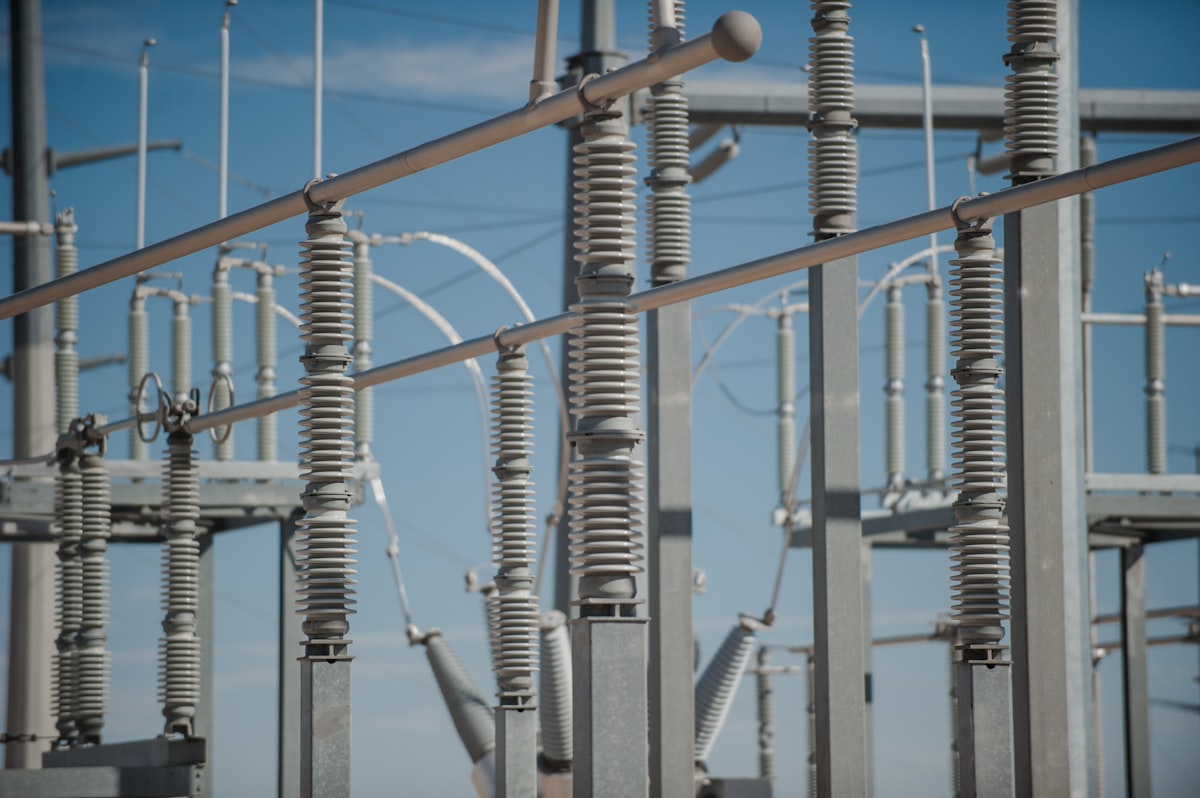
This is the broader context. It's a European bloc racing to cut its reliance on American infrastructure, a thread that runs through the EU's recent tech sovereignty package. Onnec reads the political will as settled. But the open question is whether Europe can pour concrete, secure grid connections, and train engineers fast enough to match it, given the immense scale and complexity of the work ahead.
"Sovereign cloud and AI will only be possible if the infrastructure beneath it can be delivered at scale.", Matt Salter, Onnec
The gap between ambition and delivery
The Europe sovereign AI narrative has rarely felt more urgent. Washington is tightening access to its most capable models, and Brussels is leaning harder into the case for European AI sovereignty. But the survey data suggests a gap between what policymakers want and what the industry can actually deliver in the near term. US restrictions have sharpened the appetite for home-grown alternatives, giving European operators a reason to treat sovereign cloud as a commercial prospect rather than a policy talking point. It's a real problem.
Power availability tops the list of operator concerns. Planning delays and rising build costs are close behind. Skills shortages compound everything else. And the challenge of retrofitting live facilities for AI workloads adds a layer of complexity that greenfield projects simply do not face.
Europe's sovereign AI ambitions won't fail for lack of political alignment or market demand. So what could stop them? A lack of concrete, grid connections, and skilled workers , that's the less dramatic story than geopolitical rivalry, but it's the one that will actually determine whether the continent can build the infrastructure it needs.
What comes next
The EU's Cloud and AI Development Act aims to triple data centre capacity within five to seven years, and the AI gigafactory programme will add further demand on top of that. But none of that matters. Facilities can't be built or upgraded fast enough. Onnec's survey suggests that operators are acutely aware of this gap, and public contracts are already being awarded. So the question now is whether European governments and industry can move fast enough to close it.
The answer may determine whether Europe sovereign AI becomes a reality or remains a well-funded talking point.
Frequently Asked Questions
What is the main obstacle threatening Europe's sovereign AI ambitions according to the research?
The main obstacle is the difficulty of building enough data centres due to power shortages, planning delays, and challenges in upgrading existing facilities, not a lack of political will. The research from Onnec warns that infrastructure issues could stall the push for self-reliance in AI.
Why are European data centre operators optimistic about sovereign cloud, as per Onnec's survey?
74% of operators see sovereign cloud as a major opportunity over the next three years, driven by policy momentum like the EU's Cloud and AI Development Act and rising demand. Gartner forecasts European spending on sovereign IaaS will jump 83% in 2026, from $6.9 billion to $12.6 billion.
How does retrofitting existing data centres for AI workloads create additional challenges?
Retrofitting live facilities for AI workloads requires handling higher-density racks while keeping operations going, and cannot be done at a standstill. Onnec describes this as a painful truth because you cannot simply flip a switch and rebuild, making it more complex than greenfield projects.
When did the European Commission propose the Cloud and AI Development Act, and what is its goal?
The EU's proposed Cloud and AI Development Act was adopted by the Commission on June 3, and it aims to at least triple the bloc's data center capacity within five to seven years. This is part of broader policy moves to support Europe's sovereign AI ambitions.
Who is Matt Salter and what key point does he make about sovereignty?
Matt Salter is the global head of data centres at Onnec. He argues that operators need to stop thinking about sovereignty as just a policy issue; it is an infrastructure issue, and sovereign cloud and AI will only be possible if the infrastructure beneath it can be delivered at scale.

Elena Vance reports on artificial intelligence, from frontier research labs to the products reshaping everyday work. She focuses on how machine learning is moving out of the lab and into the real world, and what that shift means for readers.
💬 Comments (0)
No comments yet. Be the first!