SuperBox Streaming Devices Pose Imminent Threat
Security firm Plume finds SuperBox devices enable malware delivery and botnets, urging users to disconnect and discard them.

SuperBox devices are a ticking time bomb for home networks, and the latest research suggests the danger is far worse than anyone imagined. A new deep-dive from security firm Plume has mapped out a sprawling malware ecosystem that specifically targets SuperBox owners, turning their streaming habits into a serious security liability that extends well beyond the set-top box itself.
The problem starts with how these devices are built. SuperBox runs on Android, but nearly every security protection Google built into the operating system has been switched off. Signature verification is disabled. The "unknown sources" restriction is gone. The permission-review dialog never appears. Play Protect scanning is neutered. Apps that come pre-installed, or those pulled from the SuperBox app store, run as root, which means they have complete, unfettered administrative control over the device.
That alone would be troubling. But the researchers found something worse: the device's ADB, or Android Debug Bridge, is exposed directly to the Internet. The su binary, which grants administrator-level access, requires no authentication whatsoever. Anyone who can reach the device can execute virtually any command they want. And because the proxy apps inside many SuperBoxes open an outgoing, encrypted connection to a proxy server and keep it open indefinitely, home routers are completely powerless to stop the traffic.
The Proxy Connection That Changes Everything
Here's how the scheme works in practice. SuperBox owners often lease out part of their unlimited bandwidth to residential proxy networks. In exchange, they get free movies and TV shows. The proxy operators then sell access to that bandwidth to cybercriminals, who route their malicious traffic through home connections that look perfectly legitimate to online services.
Many users know about this arrangement and don't care. Plume's research suggests they should. Several less tech-savvy people who own such digital media players have told security experts that the bonanza of content is worth the abstract harm they might be facilitating. The tangible benefits, they argue, outweigh the risks.
But the risks are not abstract anymore. Plume's investigation found that these residential proxy networks are not just monetization tools. They are actively being used as a delivery mechanism for additional malware, enabling cybercriminals to infect already-compromised devices with entirely new malware families while remaining largely invisible to the device owner.
Who's Actually Knocking at the Door
To prove the threat is real, Plume ran a controlled experiment. The researchers joined the Popanet proxy network as a residential exit node, then set up a honeypot to capture any connection attempts targeting common ADB ports. Over three weeks, the honeypot recorded 1,352 distinct attempts to reach the ADB through that single gap.
The intruding traffic tried to install multiple malicious apps. Three primary ones stood out: CECbot, a variant of the notorious Mirai botnet, and something called Maskify. These apps turned SuperBoxes into nodes in yet another proxy network or recruited them into botnets for use in DDoS attacks.
Plume researcher Gergely Eberhardt explained the mechanics in an email. "The open ADB port plays the central role. Combined with root access, a single pm install command can silently install any APK. This bypasses every one of Android's default protections at once."
"Device owners get multiple bots they never asked for and are not aware of, all competing for the same hardware, and an IP address whose reputation now reflects whatever those bots utilize it for."
Your Router Won't Save You
Most SuperBox users position their device behind their home router, assuming that provides some protection from Internet-connected attackers. That assumption is dangerously wrong.
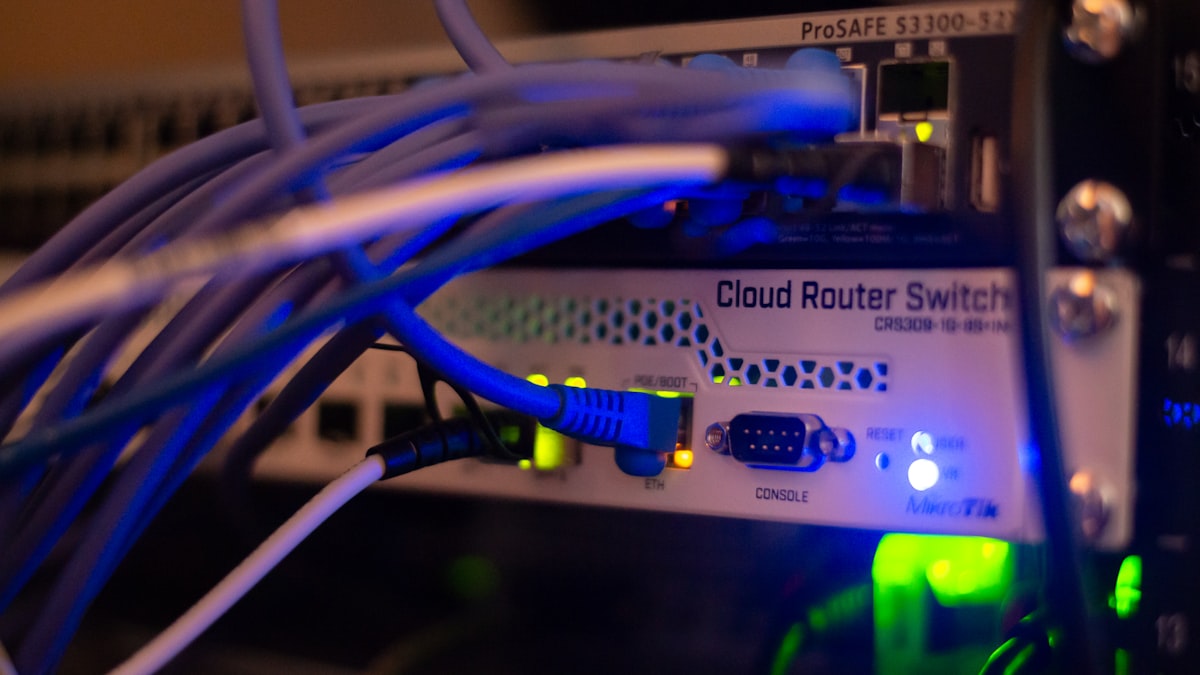
The proxy inside many SuperBox apps opens an outgoing connection to a proxy server and keeps it open indefinitely, functioning as a permanent communication channel. But routers can't block these links. They're outbound and encrypted, so nothing looks suspicious. Even a savvy user monitoring their network traffic will never spot what resembles an inbound connection to the ADB port, because the data flows outward and the encryption hides its true purpose from any casual inspection. It's a silent pipeline. So the channel just stays open, day and night.
Some proxy services have tried to protect SuperBox users by blocking access to local IP address ranges. Popanet, for example, blocks local IPs from outside the local network. But that safeguard has a flaw. Users can bypass it by specifying the special wildcard address 0.0.0.0, which Android then routes to the SuperBox IP 127.0.0.1. From that vantage point, proxy users can access the rest of the local network.
Two Attack Families, One Open Door
Plume's honeypot captured attacks from two families of loopback addresses. The first used 0.0.0.0, supplied either as a raw address or embedded in a hostname via a wildcard DNS service like nip.io. The second used 127.0.0.1, which the proxy attempted to block using its isLoopbackAddress() check.
- All attacks targeted ADB ports 5555 or 5858, the most common ports for the debugging interface.
- The attempts appeared over a period of more than three weeks of continuous monitoring.
- Each attempt aimed to reach the ADB through the identified gap in Popanet's internal-network protection.
Plume was clear that this was not a theoretical exercise. The internal-network protection issue they described was actively being exploited in the wild. The researchers joined Popanet as a residential exit node and instructed the host that any connection coming through the tunnel targeting those ADB ports would be redirected to their local honeypot. From the operator's perspective, their node looked like any other regular residential endpoint serving customer traffic. From the inside, every attempt aimed at an ADB port was captured.
The research focused exclusively on SuperBox, but Plume warned that dozens of similar streaming devices pose precisely the same threat. The Android-based architecture, the disabled security protections, the pre-installed proxy apps, all of it is common across a range of cheap media players offering pirated content.
A Network Near You
Popanet alone was running through 2 million devices, according to Google. That number puts the scale of this problem into sharp focus. But don't think it's someone else's headache, because chances are good that a home network near you, perhaps even one you've visited or connected to, is already compromised, and that's a sobering thought for anyone who assumes their Wi‑Fi is safe. So what does that really mean for you? It's closer than you think.
Plume heard nothing back from SuperBox's support email before the research went live. The company had its chance to weigh in, but it didn't take it. So that silence speaks volumes, especially when a straightforward request for comment was left dangling in their inbox without so much as an automated acknowledgment, let alone a substantive reply from someone who might actually address the concerns raised. Zero response. That's the whole story.
It's hard to walk away from this report with anything other than a strong conviction that SuperBox and virtually all of its peers pose a tangible and imminent threat to the networks they are connected to. Even savvy people who think they can cordon off the device from the rest of the Internet are at risk. The open ADB port, the lack of authentication for root access, the pre-installed proxy apps, it all combines into a perfect storm.
If you are using one of these devices, disconnect it and throw it away. If you find a family member using one, intervene. The free movies are not worth it. The cost of that free content is your network's integrity, your privacy, and potentially your device's role in criminal activity you never agreed to.
The researchers put it plainly: the combination of an open ADB and root access results in further infections involving additional residential proxies or IoT botnets. The attackers are often the very customers of the primary proxy network. Everyone ends up losing except the criminals running the operation.
Frequently Asked Questions
What security protections are disabled on SuperBox devices according to the article?
The article states that nearly every security protection Google built into Android has been switched off on SuperBox devices. This includes disabled signature verification, the removal of the 'unknown sources' restriction, the absence of the permission-review dialog, and neutered Play Protect scanning.
Why are home routers unable to block malicious traffic from SuperBox devices?
Routers can't block the malicious traffic because the proxy apps inside many SuperBoxes open an outgoing, encrypted connection to a proxy server and keep it open indefinitely. Since the connection is outbound and encrypted, nothing looks suspicious, and even a savvy user monitoring network traffic won't spot what resembles an inbound connection because the data flows outward and encryption hides its true purpose.
How did researchers at Plume prove the threat from SuperBox devices was real?
The researchers joined the Popanet proxy network as a residential exit node and set up a honeypot to capture any connection attempts targeting common ADB ports. Over three weeks, they recorded 1,352 distinct attempts to reach the ADB through that single gap, and the intruding traffic tried to install multiple malicious apps like CECbot, a Mirai botnet variant, and Maskify.
According to the article, who is at risk from the SuperBox security flaws?
The article indicates that not only SuperBox owners are at risk, but also anyone connected to a home network that has such a device. It warns that chances are good that a home network near you, perhaps even one you've visited or connected to, is already compromised, and even savvy people who think they can cordon off the device are at risk.
What does the article suggest users should do if they or a family member use a SuperBox device?
The article advises users to disconnect the device and throw it away, and if a family member is using one, to intervene. It emphasizes that the free movies are not worth the cost of your network's integrity, privacy, and the potential role in criminal activity.

Marcus Thorne covers the fast-moving field of artificial intelligence, with a particular interest in large language models, automation and the companies driving the technology forward. He aims to cut through the hype and explain what these systems can and cannot do.
💬 Comments (0)
No comments yet. Be the first!