Microsoft MAI-Cyber-1-Flash Unveiled
Microsoft introduces the MAI-Cyber-1-Flash security model, aiming to outperform competitors in vulnerability analysis.

Microsoft MAI-Cyber-1-Flash targets automated security
Microsoft MAI-Cyber-1-Flash arrived this week. But it's a specialized tool built to automate the detection and remediation of software vulnerabilities, drawing on a massive repository of vulnerability data and incident response history from the MAI-Thinking-1 platform. It functions as a compact, code-heavy engine. This model was designed from the ground up to address the increasingly complex nature of modern digital security.
A new approach to code security
Organizations struggle to keep pace with modern cyberattacks. It's overwhelming. Security teams can't correlate signals and risk insights across vast, disparate data sets, a task that often leaves them buried under a mountain of information they must manually process. So the company focuses on a model trained through decades of patching experience, and it's designed to identify weaknesses that would otherwise require manual intervention.
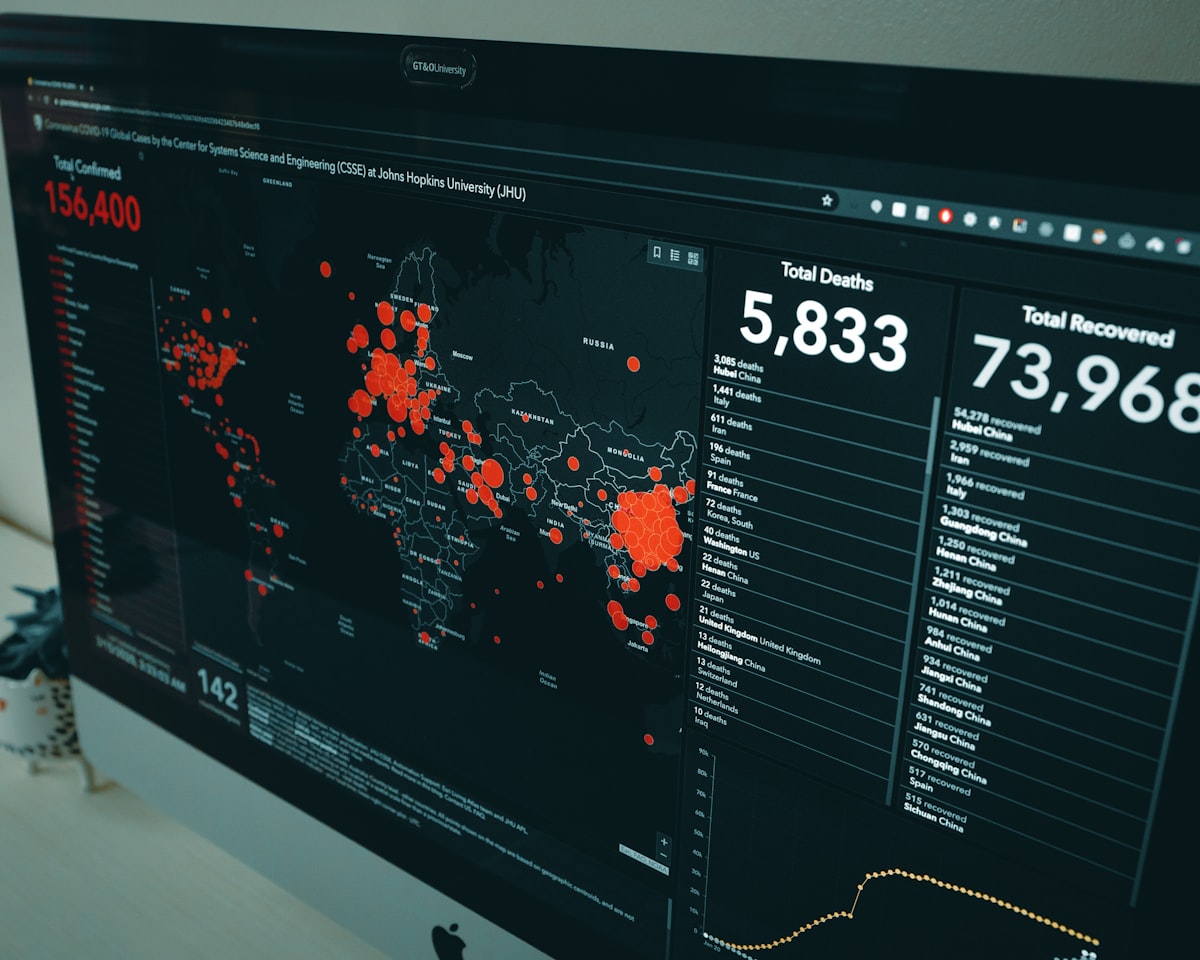
The technical implementation relies on a unique data foundation. The company processes over 1 trillion security signals every single day while gathering insights from 1.6 million customers. This scale allows the system to connect specific actions to their real-world outcomes, determining what was successfully blocked or contained and what proved to be exploitable.
Integrating agentic scanning
The MDASH system runs the MAI-Cyber-1-Flash model. MDASH, which stands for a multi-model agentic scanning system, was introduced earlier this year to coordinate 100 security-trained AI agents in a relentless search for exploitable bugs within applications. But performance metrics suggest this combination offers clear improvements over existing alternatives. It's a big step forward.
- MDASH achieved a 96 percent score on the CyberGYM benchmark.
- This result is 12 points higher than the score recorded by Anthropic Mythos.
- The new configuration also outperformed both Google Gemini and OpenAI GPT.
- Operating costs for the updated MDASH are 50 percent lower than the previous version.
Market Context: According to IBM's 2024 Cost of a Data Breach Report, the use of modern technologies, including AI and automation, on average, reduced breach costs by USD 2.2 million.
Specialized agents for complex tasks
Beyond the primary scanning model, the company introduced Project Perception. It's quite complex. This platform uses a collection of agents that handle red, blue, and green team functions, but those agents identify vulnerabilities, investigate the associated risks, and implement corrective actions, so the system automatically selects the appropriate model for a given task based on efficiency and cost requirements.
Because we can connect actions to outcomes, what was exploitable, what was contained, what was blocked, and what actually worked, we have more than data.
Ongoing benchmarking across frontier and specialized models informs this process. But the company claims Project Perception handles roughly 90 percent of tasks at a lower cost than competing platforms, which lets security teams reserve their more expensive resources for the remaining 10 percent of complex challenges. It's a practical strategy.
The challenge of adoption
Security environments are evolving rapidly. They're moving faster than ever. So organizations are currently stuck with protective strategies designed for a completely different era, and it's clear those old methods can't handle today's threats or the sophisticated attacks we now face. But the introduction of these tools is meant to address these gaps. The environment remains risky. Recent incidents involving unauthorized access to AI models through automated malicious actions highlight the potential for instability, and that's a serious concern for everyone involved.
But they're only available in preview format. That demands careful scrutiny before we can deploy them into active production environments, and the choice to adopt such automation involves a delicate balance between the immediate risk of cyber threats and the potential complications of using new, automated agents. For now, this transition toward high-speed security models remains a process with no simple, definitive answers. It's a tough call.
Frequently Asked Questions
What is the primary purpose of the Microsoft MAI-Cyber-1-Flash model?
The Microsoft MAI-Cyber-1-Flash is a specialized tool built to automate the detection and remediation of software vulnerabilities. It draws on a massive repository of vulnerability data and incident response history from the MAI-Thinking-1 platform.
How does the MAI-Cyber-1-Flash model improve upon existing alternatives according to the article?
The MDASH system running the MAI-Cyber-1-Flash model achieved a 96 percent score on the CyberGYM benchmark, which is 12 points higher than Anthropic Mythos. Additionally, operating costs for the updated MDASH are 50 percent lower than the previous version.
What is Project Perception and how does it relate to MAI-Cyber-1-Flash?
Project Perception is a platform that uses a collection of agents handling red, blue, and green team functions to identify vulnerabilities, investigate risks, and implement corrective actions. It claims to handle roughly 90 percent of tasks at a lower cost than competing platforms.
Why is the adoption of automated security tools like MAI-Cyber-1-Flash considered a delicate balance?
The choice involves balancing the immediate risk of cyber threats against the potential complications of using new, automated agents. Recent incidents involving unauthorized access to AI models highlight the potential for instability, and the tools are only available in preview format, requiring careful scrutiny before production deployment.
What data foundation does the MAI-Cyber-1-Flash model rely on for its effectiveness?
The company processes over 1 trillion security signals every day and gathers insights from 1.6 million customers. This scale allows the system to connect specific actions to their real-world outcomes, determining what was successfully blocked or contained and what proved exploitable.

Elena Vance reports on artificial intelligence, from frontier research labs to the products reshaping everyday work. She focuses on how machine learning is moving out of the lab and into the real world, and what that shift means for readers.
💬 Comments (0)
No comments yet. Be the first!