Meta Tests Robots in Data Centers
Meta is testing robots to handle tasks like plugging in cables, resetting servers, and pressing power buttons in its data centers, according to current and former workers.
Meta Tests Robots in Its Data Centers
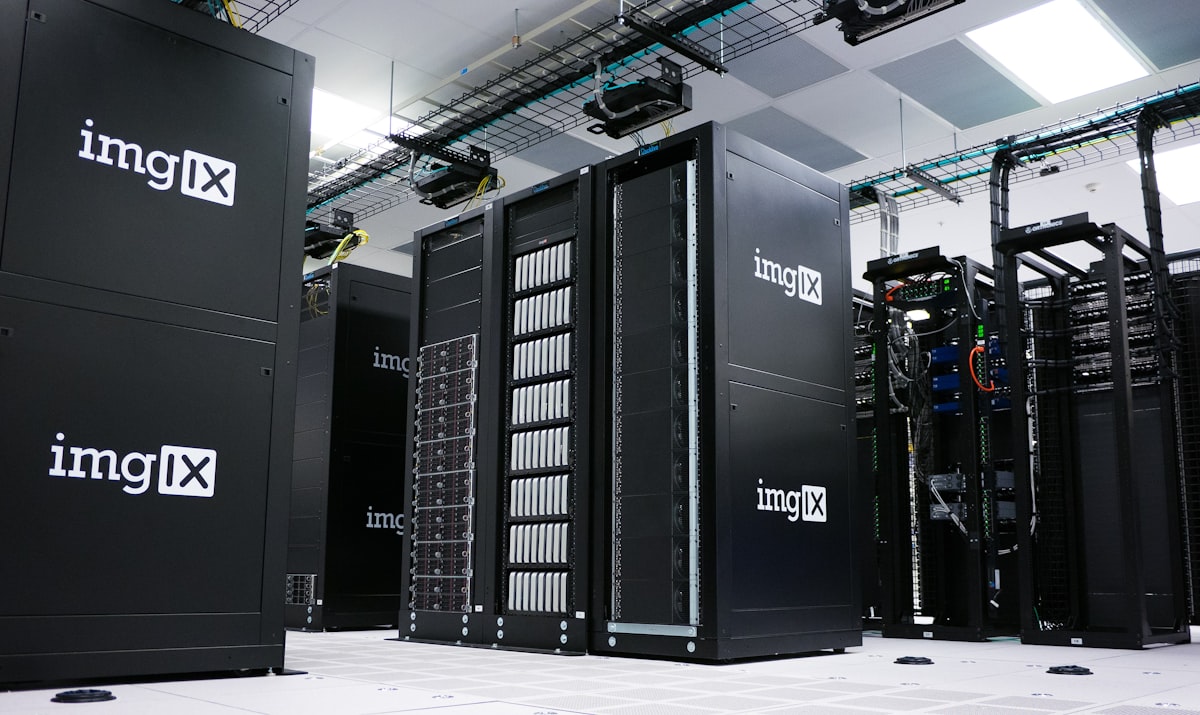
Meta's testing robots inside its data centers hasn't been reported before. Experiments range from robotic arms that plug in cables to finger-shaped devices that press reset buttons, according to several current and former workers familiar with the projects. So the company could eventually run its sprawling server farms with fewer human hands on deck. That's the goal. But it's still early days, and they're not saying when or if these machines will take over full shifts.
The move comes as Meta’s spending on AI infrastructure balloons. Labor costs are a big chunk of that budget. If the robots work out, they could keep those expenses in check while the company races to expand its data center footprint across the country.
Workers who spoke on condition of anonymity say Meta is pulling hardware from several vendors, including Watney Robotics, Kinova, and ABB. Kinova and ABB declined to comment. Watney didn’t respond to requests for comment.
What the Robots Actually Do
One experiment is testing whether a Kinova Gen3 robotic arm can handle power cycling, which means cutting electricity to servers for maintenance or reboots. Another robot is being evaluated for swapping networking cables. That's a huge deal. But one data center worker says that if the cable-swapping bot succeeds, it could take over up to 80 percent of some people's workloads, and that's a shift we've never seen before, so the stakes are incredibly high for the folks who currently do that job by hand.
“We thought those of us performing the physical tasks were safe for a while, but not anymore,” the worker says. “It’s coming for us all, unfortunately.”
At some facilities, Meta has quietly adopted a simpler device. It looks like a finger, or maybe a pointy stick, and it can press the power button on a Mac Mini or other gear to restart it when a human triggers the command remotely.
Meta declined to comment on the testing. Spokesperson Francis Brennan offered a statement: “America is in the middle of its biggest infrastructure boom since World War II, and there’s a major shortage of skilled workers to fill the roles; we need more workers, not fewer.”
Why Robots Are Finally Viable
Robots were a terrible fit for data centers until recently.
Several startups are building commercial robots that can assemble servers, swap parts, and replace wires. The pitch is simple. It's about cutting costs and boosting consistency, especially in rural areas where data centers are common but qualified technicians are hard to find, so robots don't need to sleep, complain, or demand overtime pay, and they can work around the clock without a single coffee break. But can they truly replace human hands? That's the real question.
Proponents also push a pro-worker angle. Like AI agents promised to do for knowledge workers, robots could take on the most repetitive and dangerous tasks, freeing technicians to tackle harder problems.
Longer term, removing humans from the picture might make it possible to run data centers underwater, in space, or in other environments that are hostile to living creatures.
“More and more of our customers are telling us ‘we want to run our data centers using humanoid [robots]’ because you can run them at higher temperatures, in the dark, and all these things,” says Paul Golding, who oversees physical intelligence at the chipmaker Analog Devices.
What Workers in Iowa Are Saying
In Altoona, Iowa, Meta runs its largest data center campus. That's a big deal. The facility opened in 2014, and it still has several years left on a property tax break that saves the company tens of millions of dollars annually, a break that city leaders have long viewed as a worthwhile trade because Meta brings both jobs and cachet to the area. But the math isn't simple. It's a gamble that's paid off so far.
But the worker group chats in Altoona have taken on a grim tone. They're saying we'll all be gone in a few years anyway because of the robots, according to a person familiar with the discussions. It's a haunting thought. And that dread hangs over every message now.
Even if robot adoption is slower than some fear, two workers say the quality of jobs is trending downward. But they claim Meta is developing AI software that would let it hire lower-skilled, lower-paid workers, and they say the company plans to centralize certain roles in places like Denver, Colorado, where costs are more favorable. That's a hard shift. It's not about machines taking over. It's about cheaper work, diluted skill, and a quieter squeeze on the people who stay.
They don't want independent thinkers anymore. One Meta data center worker puts it bluntly: the company no longer seeks people who can generate creative solutions, perform complex troubleshooting, or question the system in any meaningful way. But they do want "smart hands." That's the term for folks who are just capable enough to follow AI instructions and not mess anything up. It's a grim shift, and the worker's words carry a quiet warning about what we're losing.
Meta disputes that framing. This year, the company launched a program to train thousands of people annually in electrical, mechanical, and plumbing work at no cost, with guaranteed employment in states like Louisiana, Ohio, Indiana, and Texas upon completion. It also funded apprenticeship programs with building trade unions.
The Robots Already in Action
Meta has been using a self-driving tugger robot to haul heavy server racks since 2023, along with a wheeled, barcode-reading inventory robot developed in-house. Those robots now operate in several data centers, including in Iowa and Virginia. They generally work well, but there are limits.
The inventory bot can't tell green from red indicator lights because its camera only sees grayscale. So humans still have to check some breakdowns. It also struggles with corners and cables in its path. But here's the real bottleneck: because there aren't many of them, the robots must be moved between buildings, and that requires a human to open doors and maneuver the device with a remote. That's a lot of babysitting.
Two sources describe the inventory bot as too slow. Meta previously explored drones as a faster option, but didn’t pursue it.
Since last June, Meta has tested a pair of dual-armed Watney robots for cabling work in Altoona, and while they're supervised by humans and can't match human speed yet, they show promise. But Watney launched in 2023 with a laundry-folding demo, then pivoted to data center robots early last year. It's a start.
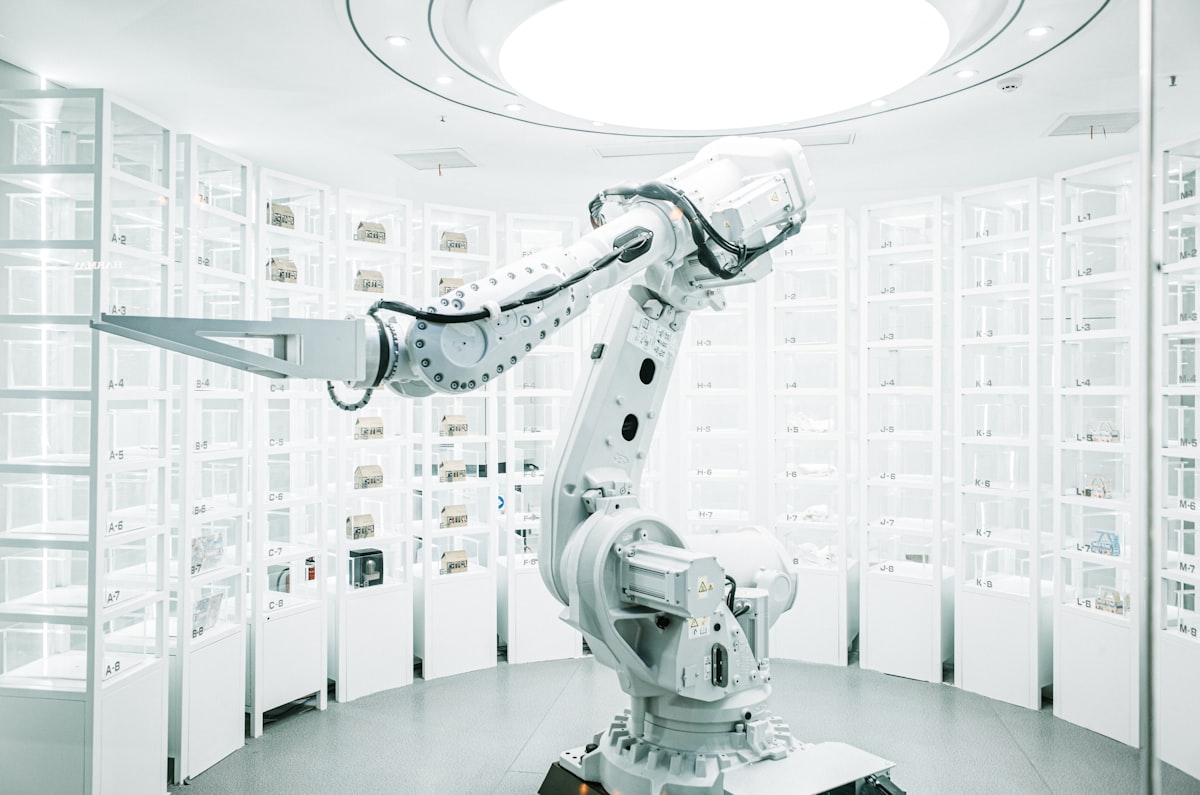
In New Albany, Ohio, at Meta’s newest campus called Prometheus, four-wheel ABB robots with scissor-lift risers and six-axis arms are being used to reseat parts. They may eventually take on more tasks with less human oversight.
Not a Guaranteed Win
“There’s been a lot of pilots and demos, but no provable working solution,” says Helen Oleynikova, CEO of Exclaim Robotics, which is developing prototypes to replace broken parts and reset cables.
Workers have complained about the robots’ downtime for battery recharging. It's a real headache. And Meta has also acknowledged internally that robots can't handle intense cabling work for Nvidia GB300 supercomputers, a task that demands far more dexterity and precision than these machines can currently muster, so that's another limitation they're wrestling with right now.
“Things have been designed for human hands forever to make everything a five-minute repair,” says one former Meta employee. “Redesigning everything will take time.”
Altoona Mayor Dean O’Connor hasn’t given much thought to robots taking jobs at Meta’s data center. Automation? He calls it inevitable. But he’s not sweating the details, because he figures the future will arrive on its own schedule, and when it does, the city will simply adapt to whatever changes come its way, just as it has with every other shift in the local economy. “We will deal with it as it comes,” he says. That’s it.
“It’s coming for us all, unfortunately.”
That sentiment from a Meta worker captures the mood. The robots are coming, but whether they fully replace humans or just change the nature of the work remains an open question.
Frequently Asked Questions
What is one specific task Meta is testing robots for in its data centers?
Meta is testing whether a Kinova Gen3 robotic arm can handle power cycling, which involves cutting electricity to servers for maintenance or reboots. Another robot is being evaluated for swapping networking cables, a task that could potentially take over up to 80 percent of some people's workloads.
Why have robots become viable for data centers recently?
Robots were previously a terrible fit due to high costs and failures, but hardware prices have dropped and AI models driving robots are now far more capable. This change has eliminated the old excuses, making robot adoption more feasible.
How does Meta's spokesperson justify the company's approach to robotics in data centers?
Spokesperson Francis Brennan stated that America is in the middle of its biggest infrastructure boom since World War II, with a major shortage of skilled workers. He emphasized that more workers are needed, not fewer, indirectly addressing the testing.
Who is involved in developing or supplying robots for Meta's data centers?
Meta is pulling hardware from several vendors, including Watney Robotics, Kinova, and ABB. Watney launched in 2023 with a laundry-folding demo and pivoted to data center robots early last year, while Kinova and ABB declined to comment on the matter.
What concerns do current and former Meta workers have about the shift toward robots?
Workers express dread about robots taking over jobs, with one saying 'It's coming for us all, unfortunately.' They also note that job quality is trending downward, as Meta plans to centralize roles in cheaper locations and seeks 'smart hands'—workers who just follow AI instructions—rather than independent thinkers.

Elena Vance reports on artificial intelligence, from frontier research labs to the products reshaping everyday work. She focuses on how machine learning is moving out of the lab and into the real world, and what that shift means for readers.
💬 Comments (0)
No comments yet. Be the first!