Google's Gemini Smartglasses Debut Signals AI Privacy Focus
Google's Gemini Smartglasses Debut attempts to overcome past privacy concerns with intelligent eyewear, featuring new restrictions and a focus on user control.

Gemini Smartglasses are here. This represents Google's significant strategic shift, as they re-enter the intelligent eyewear arena with a strong focus on user privacy and the responsible integration of artificial intelligence, a move designed to overcome past societal anxieties about data that have previously limited the widespread adoption of smartglasses. Gentle Monster and Warby Parker offer collaborative designs; Samsung provides the hardware. It's a calculated effort. The initial rollout begins at $395, but this isn't simply about new hardware; it's the attempt of a major technology company to redefine the social contract surrounding AI wearables.
Re-entering a Challenging Market with a Privacy-First Stance
Privacy is a challenge. Integrated cameras and constant recording raise serious concerns. Google's latest iteration tackles these problems directly, representing a strategic decision to build trust through proactive integration of privacy safeguards into the device's design and functionality, aiming to overcome the skepticism that has long surrounded such technology. They're building trust. And this fits a broader pattern in AI development, where regulatory scrutiny and public perception increasingly shape product design, particularly for devices worn directly on the body.
AI accountability is here. Companies now understand that if AI is to move beyond its specialized applications and truly integrate into everyday personal use, then it's absolutely vital that all perceived risks, especially surveillance and data exploitation, are mitigated through transparent, tangible safeguards that people can trust. Mass adoption isn't just about tech. And these Gemini-powered glasses, boasting distinct privacy features, clearly prove that technological prowess alone isn't enough for the industry to achieve mass adoption.
Strategic Collaborations and Competitive Positioning
It's a collaborative effort. Google provides software. Samsung handles hardware. Gentle Monster and Warby Parker add design expertise. This multi-party collaboration creates a diverse range of aesthetic options, from transparent to tinted lenses, including frames like Alden, Reid, and Wren, available in various colors. Gentle Monster offers six styles. Warby Parker designed three. Starting prices are $395 and $449 respectively. And this strategy positions the devices not merely as gadgets, but as true fashion accessories, an important step towards normalization and broader consumer appeal. The devices weigh around 41 grams. That's on the heavier end for conventional glasses. It will influence user comfort.
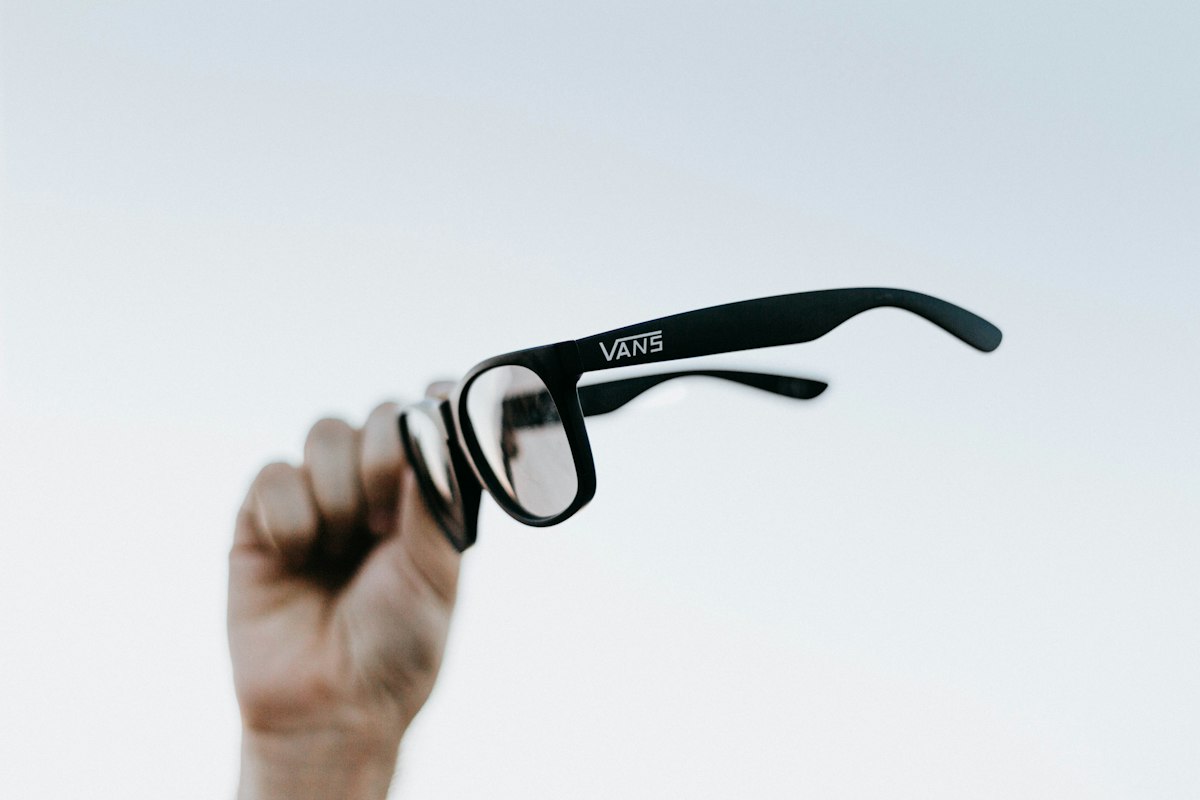
Google's Gemini Smartglasses Debut seeks a differentiated space in intelligent eyewear. It's a competitive move.
Addressing the Core Privacy Concerns
Google's strategy for its Gemini Smartglasses Debut centers on a suite of privacy features, directly tackling the "creepy things" concern which has historically plagued such technology. It's learned from the past. And they've implemented explicit limitations and user protections. These include physical and software safeguards.
- A visible recording light illuminates whenever the 12 MP wide-angle camera is active.
- The glasses will refuse to activate the camera if the recording light is detected to be covered or modified.
- All devices include a physical off switch.
- Terms of use require users to agree not to record people without consent or in sensitive areas, with potential remote disabling of glasses for violations.
- No apps in the Play Store will be allowed to live stream video to social media, including YouTube Live.
- Real-time facial recognition is explicitly stated as being off the table.
- Faces are automatically redacted before videos are sent to Google for processing.
- Images or videos captured by the glasses are not saved in Gemini history, nor used for training AI models or targeting ads.
- Voice interactions are not guaranteed the same level of protection as visual data, though chats can be deleted from Gemini history.
- Data on the glasses is encrypted during transit to the cloud, though not on Google's servers.
These measures build confidence. Industry watchers reading this story will recognize this isn't just another initiative; it's actually a foundational attempt to establish completely new privacy norms within a nascent, potentially intrusive technology category.
Google claims its approach respects privacy on “both sides of the lens,” indicating a dual focus on protecting bystanders from unwanted recording and protecting the user's personal data from being misused.
This statement defines their strategy. They aim to differentiate. Explicit commitments are made to responsible data handling and ethical use of the integrated camera, sending a clear message to consumers and regulators. It signals intent. They're leading with trust in this challenging space. Custom open-ear speakers and directional microphones limit distractions for those nearby, while also carefully avoiding the pickup of other people's speech, which significantly enhances the devices' social acceptability.
Market Implications and the Imperative of AI Reliability
The market implications of this debut extend beyond the product itself. Google emphasizes privacy. This sets a potential benchmark for future wearable AI devices across the industry, and it could pressure other developers to adopt similar stringent safeguards, creating a more responsible ecosystem for intelligent eyewear. But device utility hinges on Gemini's performance. It isn't infallible. Its occasional fallibility could pose a trust challenge, especially without a screen for immediate verification of AI output. Continuous improvement of Gemini is a strategic imperative, because the success of this re-entry will largely depend on the underlying AI's reliability.
The Road Ahead for Intelligent Eyewear
They ship December 10. Initial support is quite narrow, demanding an iPhone 13 Pro or newer, a Pixel 7 or newer, or a Samsung Galaxy S or Z series device running One UI 9 or later on Android. This targeted rollout focuses on premium smartphone users first, hoping to gather vital feedback from early adopters already deeply integrated into Google’s or Samsung’s existing ecosystems. And the company's actively working to bring Private AI Compute to the glasses, a future enhancement that promises to isolate data during processing. Google can't access it. This commitment to advanced privacy technologies reflects a long-term vision for secure, ambient AI interactions.
Frequently Asked Questions
What is Google's strategic intent with the debut of Gemini Smartglasses?
Google's strategic intent with Gemini Smartglasses is to redefine the social contract surrounding AI wearables by re-entering the intelligent eyewear arena with a strong focus on user privacy and the responsible integration of artificial intelligence. This move aims to overcome past societal anxieties about data that have previously limited the widespread adoption of smartglasses.
How are Google's Gemini Smartglasses designed to address privacy concerns?
Gemini Smartglasses incorporate a suite of privacy features, including a visible recording light that illuminates when the camera is active, a physical off switch, and terms of use that prohibit recording without consent. Faces are automatically redacted before videos are sent to Google for processing, and real-time facial recognition is explicitly off the table.
Who are the key collaborators involved in the development of Google's Gemini Smartglasses?
The development of Google's Gemini Smartglasses is a collaborative effort where Google provides the software, Samsung handles the hardware, and Gentle Monster and Warby Parker contribute design expertise. These design partners offer a variety of aesthetic options and frame styles for the glasses.
What are the initial hardware and software requirements for using Google's Gemini Smartglasses?
The Gemini Smartglasses require an iPhone 13 Pro or newer, a Pixel 7 or newer, or a Samsung Galaxy S or Z series device running One UI 9 or later on Android. The initial rollout targets premium smartphone users for early feedback, with a planned future enhancement for Private AI Compute.
Why is the reliability of Gemini's AI performance crucial for the success of these smartglasses?
The device's utility hinges on Gemini's performance, and its occasional fallibility could pose a trust challenge, especially without a screen for immediate verification of AI output. Continuous improvement of Gemini is a strategic imperative because the success of this re-entry will largely depend on the underlying AI's reliability.

Elena Vance reports on artificial intelligence, from frontier research labs to the products reshaping everyday work. She focuses on how machine learning is moving out of the lab and into the real world, and what that shift means for readers.
💬 Comments (0)
No comments yet. Be the first!