OpenAI Launches ChatGPT Personal Finance Tools in Preview
OpenAI launched ChatGPT Personal Finance Tools for Pro users, linking bank accounts via Plaid for spending analysis and financial planning.
ChatGPT Personal Finance Tools launched in preview on Friday, giving Pro subscribers in the U.S. the ability to connect their bank accounts, analyze spending patterns, and build long-term financial plans directly inside the chatbot. The rollout marks one of the most concrete steps a major AI lab has taken toward turning a general-purpose chatbot into a tool people might actually use to manage their money.
The Account Linking Mechanics
OpenAI's partnered with Plaid. They handle the plumbing behind account linking. So, click 'Get started' in the 'Finances' sidebar option or type '@Finances, connect my accounts' into ChatGPT, and the chatbot then walks you through linking accounts via Plaid's interface.
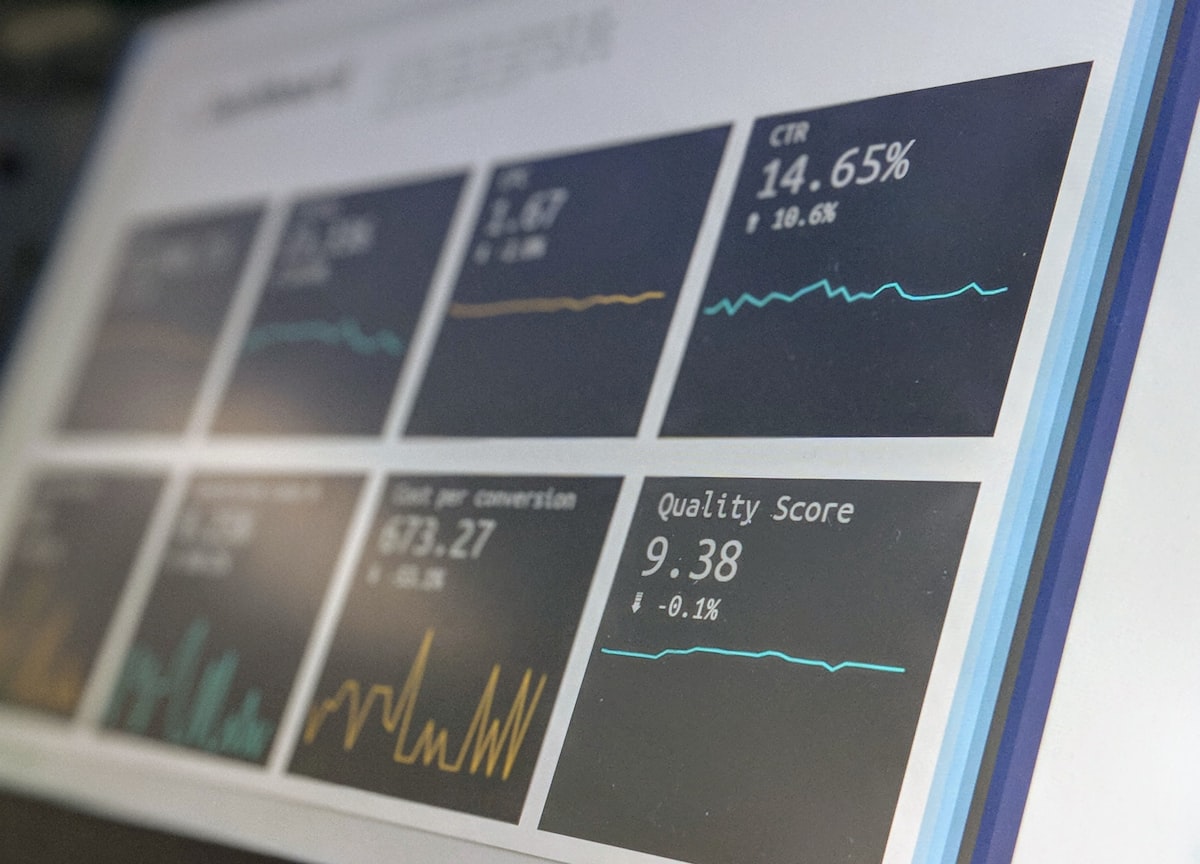
The scope of connectivity is wide. Plaid's network covers more than 12,000 financial institutions. For users, that means linking accounts from Schwab, Fidelity, Chase, Robinhood, American Express, and Capital One, among thousands of others, is straightforward. Once connected, a dashboard surfaces portfolio performance, spending breakdowns, recurring subscriptions, and upcoming payments.
What the Dashboard Surfaces
- Portfolio performance across linked investment accounts
- Spending analysis with category breakdowns
- Recurring subscription tracking
- Upcoming payment alerts and cash flow snapshots
But the dashboard is only half the story. The more interesting layer is the conversational querying. Users can ask questions like "I feel like I've been spending more recently. Has anything changed?" or "Help me build a plan to be ready to buy a house in my area in the next 5 years." The system parses transaction history and portfolio data to generate contextual answers.
The Hiro Acquisition and What It Actually Meant
OpenAI launched the feature roughly a month after acquiring the team behind Hiro, a personal finance startup backed by Ribbit, General Catalyst, and Restive, and it acknowledged the team's finance expertise helped shape the product. But it didn't say they built the whole feature. That ambiguity is deliberate. It suggests the Hiro talent was folded into a broader internal effort rather than dropped in to ship a standalone product.
But pause here. OpenAI, despite having a dedicated finance team, chose to launch a preview, not a finished product, and it's framing this as a learning exercise that prioritizes feedback from Pro users before expansion to Plus subscribers. So the approach remains iterative. Even with in-house talent.
The Reasoning Engine Underneath
OpenAI tied the launch to improvements in its underlying models. The company noted that the new GPT-5.5 model is stronger at reasoning with context, which matters enormously for finance questions where a wrong interpretation of a transaction or a miscalculated projection has real consequences. OpenAI also said it worked with finance experts to create a benchmark specifically for personal finance queries, giving the model a structured target to improve against.

According to OpenAI, more than 200 million users already ask financial questions to ChatGPT every month.
OpenAI says 200 million users already ask ChatGPT financial questions every month, a staggering baseline that shows people are treating the general model as a money advisor, whether it was built for that or not. The demand isn't theoretical. So the preview turns that organic behavior into something they're able to observe, measure, and refine.
What Comes Next: Intuit and Tax Analysis
OpenAI says it's planning to support Intuit soon. That integration would unlock more complex queries, like analyzing the tax impact of a stock sale or estimating credit card approval odds, which move beyond basic budgeting into territory where bad answers carry real financial risk. They're aware of the stakes. So it's expanding slowly.
Privacy Controls and the 30-Day Rule
Connecting bank accounts to an AI chatbot raises obvious privacy concerns, but OpenAI addressed them with straightforward controls that let users remove connections to specific accounts by going to Settings, then Apps, then Finances. It's gone within 30 days. And users can view and delete financial memories from the Finances page, giving them granular control over what the model retains.
- Disconnect individual accounts via Settings > Apps > Finances
- Synced data purged within 30 days of disconnection
- Financial memories viewable and deletable from the Finances page
- Available on web and iOS for Pro users initially
But that framing misses something. The privacy controls are opt-out, not opt-in. Users have to actively manage disconnections and memory deletions. For a feature handling sensitive financial data, the default posture matters more than the available tools. OpenAI did not disclose whether financial data is used for model training, and that absence of clarity is the kind of gap that tends to attract regulatory attention down the line.
The Specialization Trend Across AI Labs
The finance preview fits a pattern. But generalized chatbots, built to answer anything, mean people ask about everything from health and money to relationships and legal questions, so AI companies are now spinning up specialized products for these high-stakes verticals. OpenAI and Anthropic launched health-related tools. As TechCrunch reported earlier this month, Perplexity launched its own financial research product, and it's built on its Computer agent.
OpenAI's move isn't just about adding a feature. It's about testing whether users will trust a chatbot enough to hand over actual financial credentials, and while the Plaid partnership reduces friction, the dashboard provides immediate visual payoff.
Pro users get them first. They'll be available on ChatGPT on the web and on iOS. Based on feedback from those users, OpenAI plans to improve the product before making it available to Plus subscribers, and no timeline for that expansion was given.
Frequently Asked Questions
What exactly are the ChatGPT Personal Finance Tools and who can access them in the preview?
They are tools that let Pro subscribers in the U.S. connect their bank accounts, analyze spending patterns, and build long-term financial plans inside the chatbot. The preview launched on Friday and is initially available on web and iOS for Pro users.
How do users link their bank accounts to ChatGPT for these finance features?
Users click 'Get started' in the 'Finances' sidebar option or type '@Finances, connect my accounts' into ChatGPT, and the chatbot walks them through linking accounts via Plaid's interface. Plaid's network covers more than 12,000 financial institutions including Schwab, Fidelity, Chase, and others.
What information does the dashboard surface once accounts are connected?
The dashboard shows portfolio performance across linked investment accounts, spending analysis with category breakdowns, recurring subscription tracking, and upcoming payment alerts and cash flow snapshots. It provides immediate visual payoff from the connected financial data.
Why is OpenAI releasing this as a preview instead of a finished product?
OpenAI frames the preview as a learning exercise that prioritizes feedback from Pro users before expanding to Plus subscribers. The iterative approach lets them observe and refine the feature based on real usage, even with in-house finance talent from the Hiro acquisition.
What privacy controls are available for connected financial data, and what is not disclosed?
Users can disconnect specific accounts via Settings > Apps > Finances, with synced data purged within 30 days, and view or delete financial memories from the Finances page. The controls are opt-out, and OpenAI did not disclose whether financial data is used for model training, a gap that could attract regulatory attention.

Marcus Thorne covers the fast-moving field of artificial intelligence, with a particular interest in large language models, automation and the companies driving the technology forward. He aims to cut through the hype and explain what these systems can and cannot do.
💬 Comments (0)
No comments yet. Be the first!