Anthropic Launches Claude 4.7 with Computer Use API
Anthropic launched Claude 4.7 with a Computer Use API, letting the model control a browser and desktop to complete everyday tasks end to end.
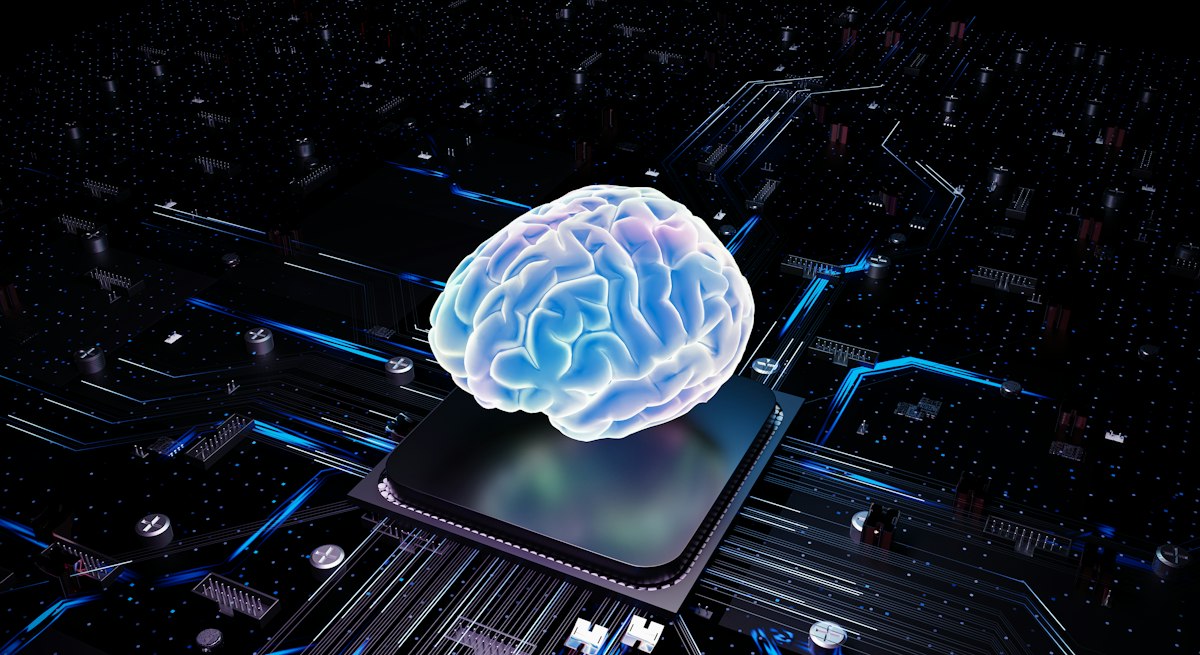
Anthropic Claude 4.7 has arrived, and the headline feature is one that turns the chatbot from something you talk to into something that can actually operate a computer. The company announced the release alongside a new Computer Use API, a tool that lets developers hand off real desktop tasks to the model. Think clicking, typing, navigating menus, filling forms. The kind of boring, repetitive work that eats up an afternoon.
What the Computer Use API Actually Does
The core idea is straightforward. Instead of a developer writing brittle scripts for every possible screen layout, the model interprets what is on screen and decides what to do next. Anthropic Claude 4.7 can look at a screenshot, identify a button, move a cursor, and execute a sequence of actions to complete a task. The API exposes this capability to developers who want to build agents that operate software the way a person would.
That is a meaningful shift. Most automation today relies on APIs or pre-programmed workflows. Those break the moment a UI changes or a process has no public interface. A model that can see and act does not need those hooks. It just needs a screen.
Why This Matters for Developers
The appeal is obvious. For teams building internal tools, that's the whole pitch. Legacy software, clunky enterprise dashboards, and one-off web portals are everywhere, and none of them have clean APIs, which is exactly the kind of mess that stalls a project before it starts. So a computer-use agent can bridge that gap without a six-month integration project. It's that simple.
- Automating data entry across systems that were never designed to talk to each other.
- Running quality assurance checks by actually using the product like a customer would.
- Handling repetitive back-office tasks that currently require a human to click through dozens of screens.
Anthropic Claude 4.7 is not the first model to attempt this. But the packaging matters. Shipping a dedicated API signals that the company sees computer use as a product, not a research demo. That distinction shapes how developers adopt it.
The Catch Nobody Wants to Talk About
Handing a model a mouse and keyboard is risky. That’s a real problem. A chat interface doesn’t carry that same risk at all, because talking is one thing and clicking is another. A chatbot that gives bad advice is annoying. An agent that clicks the wrong button in a payroll system is a different problem entirely, and it’s one we’ve got no easy fix for, since a wrong click can move money, change records, or set off a chain of events that nobody meant to start. But that’s what we’re building.
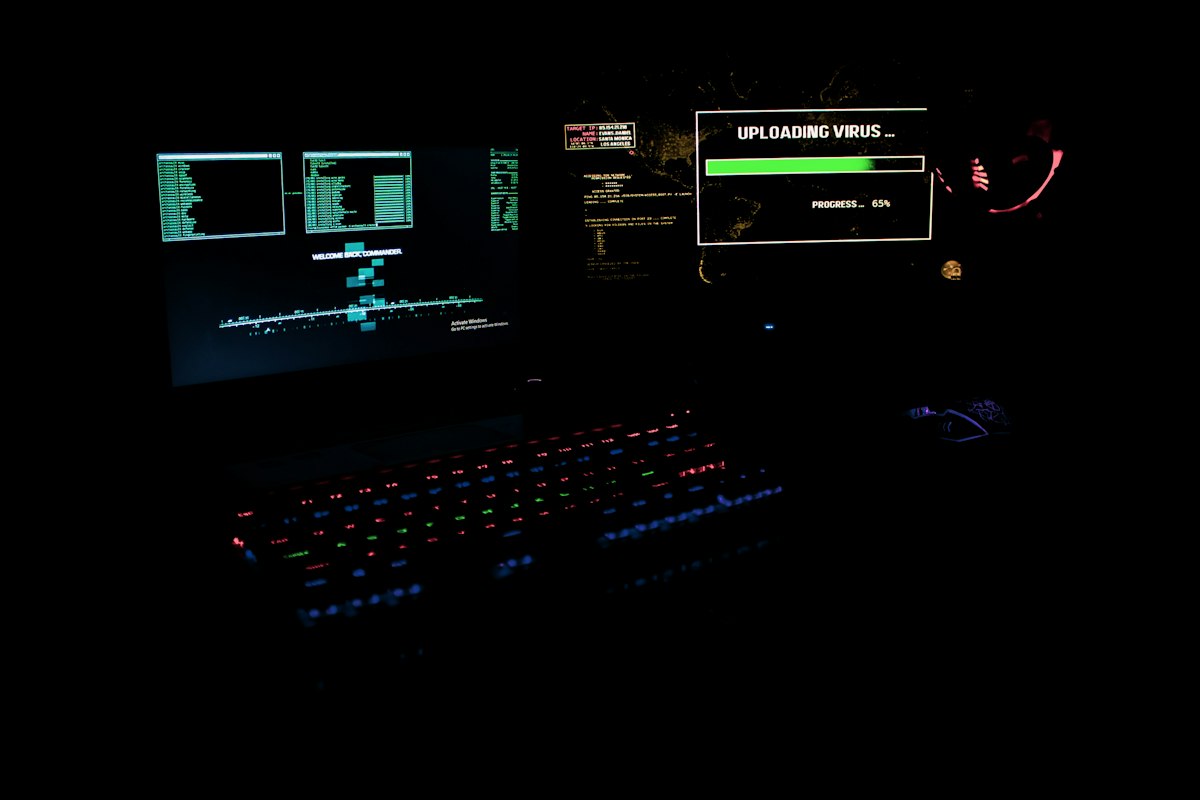
Anthropic built safeguards in. The API can require human confirmation before certain actions. Developers get to define which steps need a thumbs-up and which can run autonomously, which sounds like a sensible default until you realize that it also means the fully hands-off dream, the one where software just handles everything on its own without anyone watching, is not quite here yet. And that's the catch.
The real question is not whether the model can click the right button. It is whether you trust it to know when it should not.
That tension will define early adoption. Companies will start with low-stakes tasks, watch how the model behaves, and gradually expand its权限. Trust, as always, is earned in increments.
Where Anthropic Claude 4.7 Fits in the Market
The AI industry has spent the past two years racing on benchmarks. Bigger context windows, better reasoning scores, faster inference. Computer use is a different kind of competition. It is about embodiment, however limited. The model does not just think. It acts.
For Anthropic, this is a bet that the next wave of value comes from agents that do things, not just say things. The company has positioned Claude 4.7 as a step toward that future, with the Computer Use API as the on-ramp.
The hardest part of computer use is not the model. It is the environment. Every website, every desktop app, every internal tool is a slightly different puzzle. A model that works well on one may stumble on another. The API gives developers a starting point, but the real work of making it reliable across thousands of edge cases is still ahead.
What Comes Next
Anthropic has not shared a roadmap beyond the initial release. What is clear is that the company wants developers to start building. The API is available now, and the early feedback will shape what comes next. If history is any guide, the first wave of applications will be simple. Form fillers. Test runners. Screen scrapers with a brain.
The more interesting question is what happens when those simple tools get good enough to trust with something that matters. That is when Anthropic Claude 4.7 stops being a novelty and starts being infrastructure.
- Early adopters will likely focus on internal automation where mistakes are recoverable.
- Customer-facing agents will come later, once reliability improves.
- The real unlock is not any single task, but the compounding effect of many small automations running in parallel.
For now, the message is simple. Anthropic Claude 4.7 can use a computer. Whether that is a gimmick or a genuine shift depends on what developers build with it. The tools are on the table. The rest is execution.
Frequently Asked Questions
What is the headline feature of Anthropic Claude 4.7?
The headline feature of Anthropic Claude 4.7 is that it turns the chatbot from something you talk to into something that can actually operate a computer. This capability is exposed through a new Computer Use API that lets developers hand off real desktop tasks to the model, such as clicking, typing, navigating menus, and filling forms.
Why does the Computer Use API matter for developers working with legacy software?
The Computer Use API matters for developers because legacy software, clunky enterprise dashboards, and one-off web portals often lack clean APIs, which is exactly the kind of mess that stalls a project before it starts. A computer-use agent can bridge that gap without a six-month integration project, automating data entry across systems that were never designed to talk to each other.
What is the main risk of giving a model control of a mouse and keyboard?
The main risk is that handing a model a mouse and keyboard is risky, because an agent that clicks the wrong button in a payroll system can move money, change records, or set off a chain of events that nobody meant to start. A chatbot that gives bad advice is annoying, but an agent that clicks the wrong button is a different problem entirely with no easy fix.
How has Anthropic built safeguards into the Computer Use API?
Anthropic built safeguards into the API so it can require human confirmation before certain actions. Developers get to define which steps need a thumbs-up and which can run autonomously, though this means the fully hands-off dream is not quite here yet.
Where does Anthropic Claude 4.7 fit in the market compared to other AI models?
The AI industry has spent the past two years racing on benchmarks like bigger context windows, better reasoning scores, and faster inference, but computer use is a different kind of competition about embodiment. For Anthropic, this is a bet that the next wave of value comes from agents that do things, not just say things, with the Computer Use API as the on-ramp toward that future.
Marcus Thorne covers the fast-moving field of artificial intelligence, with a particular interest in large language models, automation and the companies driving the technology forward. He aims to cut through the hype and explain what these systems can and cannot do.
💬 Comments (0)
No comments yet. Be the first!