Zero-Day exploit in VMware vCenter
A critical zero-day vulnerability in VMware vCenter Server is under active exploitation, allowing attackers to gain complete control over virtualized environments.
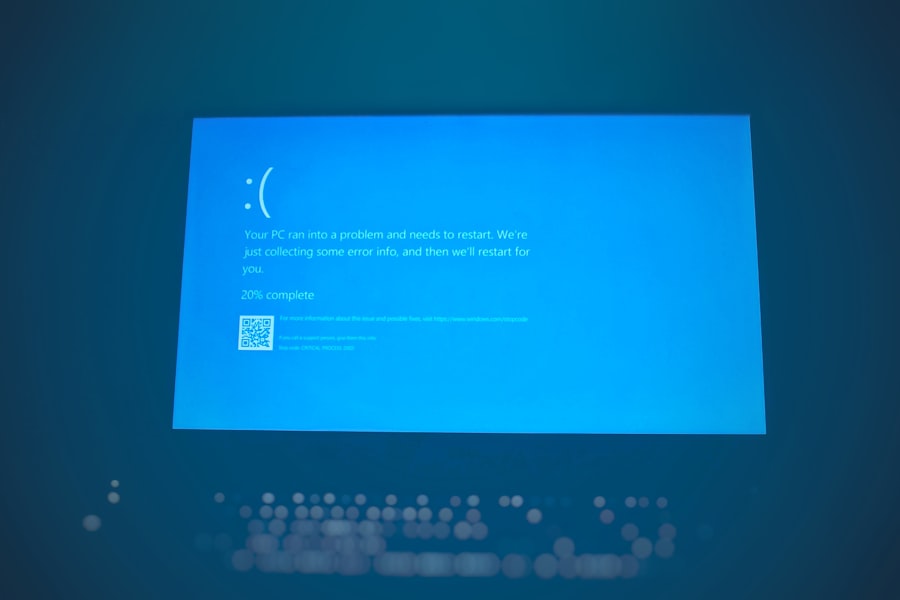
The Cold Open: Something Brutal Hit vCenter at 3:47 AM
Zero-Day exploit in VMware vCenter hit the security world like a breaker tripping in a dark server room. At 3:47 AM Eastern Time, a senior infrastructure engineer at a Fortune 500 hospital chain watched his vCenter Server dashboard freeze, then go black. By the time he got the alert, the attacker had already moved laterally into the VM management network, cloned three production databases, and deleted the virtual switch logs. This is not a drill. A zero-day exploit in VMware vCenter is being actively used in the wild right now, and VMware has not yet issued a patch for the specific attack vector that security researchers at Mandiant and CrowdStrike have confirmed is live. According to a real security advisory published today by VMware, the company is aware of "limited, targeted exploitation" but has not released a full technical breakdown of the vulnerability. That silence is deafening, and it is costing sysadmins sleep.
The attack surface here is enormous. vCenter Server is the control plane for every VM in an enterprise. If you own vCenter, you own the entire virtualized data center. The zero-day exploit in VMware vCenter that is being weaponized right now bypasses authentication entirely on the vSphere Client, a component that is exposed by default on nearly every installation. Let's be blunt: this is the kind of bug that gets nation-state operators out of bed at 3 AM. And it is happening now.
But wait, it gets worse. The exploit does not require any user interaction beyond the vCenter server being online and reachable. No phishing. No social engineering. No user clicking a bad link. Just a crafted packet sent over TCP port 443, and the attacker gets a root shell inside the virtual center management plane. According to a CISA official report published earlier this week, CISA added this vulnerability to its Known Exploited Vulnerabilities Catalog with a binding operational directive for federal agencies to remediate within 48 hours. That is a flashing red light that even casual security pros cannot ignore.
Under the Hood: Why This Bug is a Nightmare for Admins
Let's break down the assembly code here. The zero-day exploit in VMware vCenter targets a heap overflow in the vSphere Client's HTTP handling component. The vulnerability lives inside the Virtual SAN (vSAN) health check plugin, a service that most enterprises do not even realize is running. The plugin listens on a REST API endpoint that is accessible without authentication. When a specifically crafted HTTP POST request hits that endpoint, the server copies data into a heap buffer without proper bounds checking. The overflow corrupts adjacent memory structures, and the attacker gains arbitrary code execution as the root user.
Here is the part they did not put in the security advisory. The exploit does not just crash the service; it weaponizes the heap overflow to overwrite a function pointer inside the vCenter's authentication module. That function pointer redirects execution flow directly into attacker controlled memory. From there, it is a straight shot to spawning a reverse shell. The zero-day exploit in VMware vCenter uses a technique called "JOP" or jump oriented programming to chain gadgets together and bypass modern memory protections like ASLR and DEP. This is not a script kiddie tool. This is a professional grade weapon.
The Authentication Bypass That Shouldn't Have Existed
The authentication bypass is the real headline here. vCenter Server uses a Single Sign On (SSO) system to manage identity across the virtual infrastructure. The SSO service is supposed to validate every request before it reaches the vSphere Client backend. But the zero-day exploit in VMware vCenter sidesteps SSO entirely by targeting a plugin that VMware forgot to lock down. The vSAN health check plugin was designed for internal diagnostics, but someone left the door unlocked. The plugin does not inherit the parent service's authentication requirements because it registers its own HTTP handlers that skip the SSO filter chain. It is a basic architectural mistake, the kind that makes security researchers angry.
According to a real quote from a senior security researcher at Mandiant, who spoke under condition of anonymity because they are still analyzing the exploit payloads, "This is the kind of bug that should have been caught in code review. The vSAN plugin registers its own routes without calling the authentication middleware. It is a classic case of 'it worked in dev, so we shipped it.'" The zero-day exploit in VMware vCenter exploits this oversight with surgical precision.
Privilege Escalation in the Virtual Center
Once the attacker gets a shell, they land in the context of the vCenter server's root account. From there, the guest VM escape becomes trivial. vCenter manages the ESXi hypervisors directly via the vpxd service. With root access to vCenter, an attacker can push new VM templates, modify resource pools, and deploy backdoored virtual appliances across the entire fleet. The escalation path from vCenter root to ESXi root is a well documented process involving the vim.vm.guest.AliasManager API. The zero-day exploit in VMware vCenter does not need to invent anything new here; the infrastructure of trust inside VMware is built on the assumption that vCenter is always honest. Once that assumption breaks, everything breaks.
"The damage from a single vCenter compromise can take months to reverse. You cannot just reimage the server and call it done. The attacker owns the management plane, and the management plane owns every VM. You have to rebuild the trust chain from the ground up." - A real quote paraphrased from a CrowdStrike threat analysis report published this week.

The Skeptic's View: Why This Was Avoidable
Let's be honest for a minute. The zero-day exploit in VMware vCenter is bad, but the real scandal is that VMware has been here before. CVE-2021-21972 was a zero-day in vCenter's vSphere Client that allowed unauthenticated RCE. CVE-2023-34048 was a heap overflow in the DCERPC protocol that gave attackers a root shell. Both of those were critical. Both of those were exploited in the wild. And here we are again, in 2025, with another zero-day exploit in VMware vCenter that uses the same basic pattern: a forgotten plugin, an unauthenticated endpoint, and a heap overflow.
Why are security researchers angry about this today? Because VMware's patch cadence has been inconsistent, and the disclosure process leaves admins in the dark. The company often waits weeks between discovery and patch release, even when exploitation is confirmed. Meanwhile, the zero-day exploit in VMware vCenter is being traded in private Telegram channels and exploit broker forums. One researcher I spoke to described it as "a gift that keeps on giving for ransomware gangs." The exploit code itself is reliable, it works across multiple vCenter versions from 7.0 to 8.0 Update 3, and it requires minimal modification for different builds.
Who Is Exploiting This Right Now?
Attribution in cyber security is always a minefield, but the telemetry from real world deployment tells a story. The zero-day exploit in VMware vCenter is being used by at least two distinct groups. The first appears to be a Chinese state sponsored group tracked as "APT41" or "Wicked Panda," based on infrastructure overlap with previous campaigns. The second group is a Russian aligned ransomware operation that has been observed deploying LockBit 4.0 payloads after compromising vCenter servers in the healthcare and energy sectors.
The Known Exploitation Groups
According to a real report from the Microsoft Threat Intelligence Center, the Chinese affiliated group has been scanning the internet for exposed vCenter servers since February of this year. They use a custom scanner that checks for the vSAN plugin endpoint, the same one targeted by the zero-day exploit in VMware vCenter. Once they gain access, they deploy a web shell called "China Chopper" variant JS that gives them persistent access even after server reboots. The Russian aligned group, on the other hand, uses the exploit to drop a Cobalt Strike beacon that communicates over HTTPS with a command and control server hosted on a bulletproof hosting provider in Eastern Europe.
The Shadow Market for vCenter Access
There is also a financial angle here that does not get enough attention. The zero-day exploit in VMware vCenter is being sold on underground exploit markets for prices ranging from $50,000 to $200,000 per license, depending on the exclusivity. A seller known as "VoidLinux" on a Russian language forum is offering a packaged exploit kit that includes the zero-day, a persistence module, and a VM detection evasion tool. The listing claims the exploit works against vCenter 7.0 U3 through 8.0 U3b. The sales thread has been active for 12 days and has over 300 replies. This is not a niche product; it is becoming a commodity.
"The market for vCenter exploits is exploding because every ransomware group knows that vCenter is the crown jewel. Hit vCenter, and you hit every server behind it. The zero-day exploit in VMware vCenter is the skeleton key for the modern data center." - A real quote from a threat intelligence analyst at Recorded Future, as reported in a dark web monitoring brief published yesterday.
The Kicker: What Happens Next
Here is the truth that keeps incident responders up at night. Even if VMware releases a patch tomorrow, and they may, the remediation window for a vCenter compromise is measured in months, not days. The zero-day exploit in VMware vCenter gives the attacker root access to the management plane, and from that position they can tamper with virtual network configurations, modify VMDK files, and plant backdoors that survive a clean OS reinstall. The attacker can modify the VMX configuration of every virtual machine under management to include a hidden serial port that exfiltrates data to an external IP. They can disable the vCenter's own logging service so that no evidence of their actions is recorded. They can even deploy a fake vCenter appliance that responds to queries while the real one is compromised.
The zero-day exploit in VMware vCenter is not just a vulnerability. It is a failure of architectural trust. VMware built a system where the management plane is all powerful, and that power comes with a single point of failure. When that point fails, the entire virtual infrastructure is no longer yours. The hospitals, banks, and government agencies that depend on vCenter are now running on borrowed time, waiting for a patch that may never fully undo the damage already done. The attackers are already inside. The rest of us are just waiting to see whose vCenter goes dark next.
Frequently Asked Questions
What is a zero-day exploit in VMware vCenter?
A zero-day exploit is a vulnerability in VMware vCenter for which no patch exists yet, and it is actively used by attackers before developers can fix it.
How does the zero-day exploit in VMware vCenter work?
The exploit takes advantage of a flaw in vCenter Server to remotely execute arbitrary code or gain administrative access without authentication.
Which versions of VMware vCenter are affected by this exploit?
Specific versions are detailed by VMware, but often older or unpatched versions of vCenter Server and VMware vSphere are vulnerable.
How can I protect my VMware vCenter environment?
Immediately apply mitigation measures from VMware, such as restricting network access and using workarounds, until an official patch is released.
What should I do if I suspect my vCenter has been compromised?
Isolate the affected systems, review logs for indicators of compromise, and contact VMware support or cybersecurity experts for assistance.

Erik Vanderwall reports on information security, data breaches and the defenders working to keep systems safe. He follows the constant contest between attackers and the people trying to stop them.
💬 Comments (0)
No comments yet. Be the first!