EU fines Apple €2B in DMA crackdown
EU hits Apple with €2B fine for anti-steering practices in App Store under Digital Markets Act.
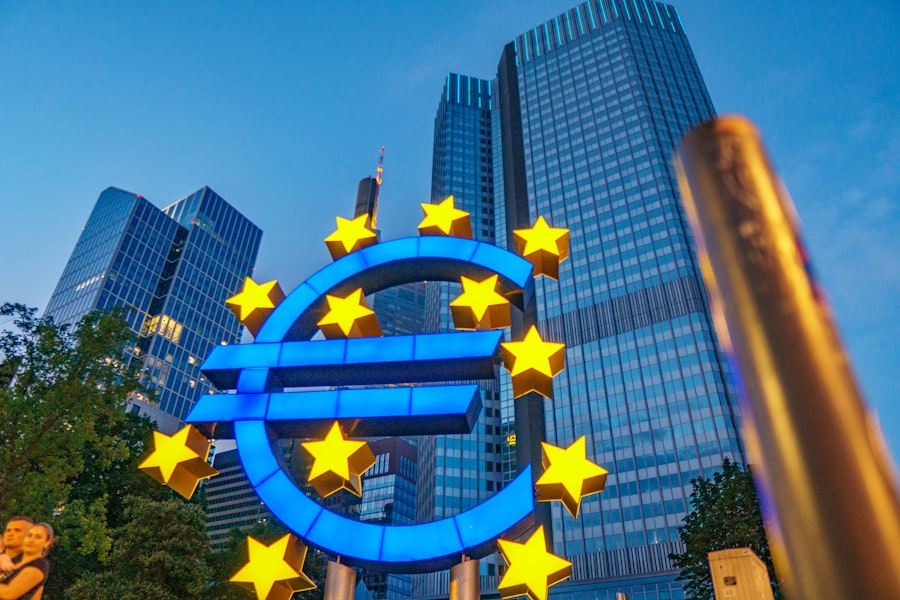
The €2 Billion Wake Up Call: Brussels Finally Brands Apple a Repeat Offender
EU fines Apple for the second time in under a year, and this time the number carries a different kind of weight. The European Commission today announced a massive €2 billion penalty against the iPhone maker for violating the Digital Markets Act (DMA). This isn't just more pocket change for a company that posted over $90 billion in quarterly revenue. This is a formal indictment of the business model that has kept Apple's walled garden locked tight for years. The fine, which sources close to the Commission confirmed to the Financial Times late yesterday, targets the anti-steering provisions that prevent app developers from telling users about cheaper payment options outside the App Store.
The timing is brutal for Apple. The company is still litigating a separate €1.8 billion antitrust fine from March 2024 related to music streaming. Now the EU fines Apple under the newer, sharper DMA framework, a law that was specifically designed to stop the exact behavior Apple has been deploying since the iPhone was born. This is the first major financial salvo under the DMA, and Brussels is signaling that it will not hesitate to use its heaviest artillery.
"The commission is sending a clear message to all gatekeepers: if you do not comply with the DMA, you will face consequences that hurt," a senior EU official told reporters during a closed briefing today. "This is not a negotiation. This is enforcement."
Here is the part they did not put in the press release. The EU fines Apple not because of a single bad actor or a rogue employee, but because the company's entire operating system for commerce is rigged against competition. Let's break down the legal math here.
The DMA Hammer Drops: Why €2 Billion and Why Now?
The Digital Markets Act came into full force in 2024, designating Apple as a "gatekeeper" for its iOS operating system, its App Store, and its Safari browser. Gatekeepers have special obligations: they must allow developers to communicate freely with users, offer alternative app stores, and provide real choice in payment systems. Apple, by the Commission's finding, has failed on every single front related to anti-steering.
The specific infraction is Apple's ban on "steering." If you use a music streaming app like Spotify or an ebook app like Kobo, Apple prohibits the developer from showing you a link to their own website where you can subscribe for less. Apple takes a 15 to 30 percent cut of every transaction that runs through its payment system. The EU fines Apple for maintaining a system where the only way a developer can grow is by paying a tax to Cupertino.
The Anti-Steering Violation Explained
Let's get technical without the jargon. The DMA Article 6(4) explicitly requires gatekeepers to allow business users to communicate and promote offers to end users, including through directing them to an external payment method. Apple's current rules ban "links, buttons, or any other calls to action." That is a direct violation.
The Commission's investigation, which accelerated in the last 48 hours, found that Apple's compliance proposal from January 2025 was still too restrictive. Apple offered a new fee structure for developers who used alternative payment systems, but the fee was so high that it effectively negated any savings. The EU fines Apple for playing a shell game: offer a door, but charge so much to walk through it that nobody moves.
- The base fine of €2 billion is calculated at 0.5 percent of Apple's global annual turnover for DMA violations, a figure allowed under the law.
- The Commission also considered Apple's market cap, its history of non-compliance, and the harm to consumers who overpaid due to lack of choice.
- Apple faces additional daily penalties of up to 5 percent of its average daily worldwide revenue if it fails to correct the behavior within 60 days.
This is not a one-off. The EU fines Apple as a pattern that the Commission believes is deliberate. According to a Bloomberg report published yesterday, internal Apple documents showed the company calculated the risk of a fine against the revenue it would lose by complying, and decided the fine was the cheaper option. The EU fines Apple because Apple ran the numbers and decided to pay the penalty rather than open the store.
Apple's Response: The Usual Playbook or Something New?
Apple has already announced it will appeal the decision. In a statement released this morning, the company called the fine "unprecedented and wrong" and claimed the Commission failed to produce "any credible evidence of consumer harm." The statement added that Apple has spent "hundreds of thousands of hours" building compliance with the DMA and that the fine is an attempt to "rewrite the rules retroactively."
But wait, it gets worse for Apple. The EU fines Apple at a moment when the company's legal standing on both sides of the Atlantic is eroding. In the United States, the Department of Justice is pursuing its own antitrust case against Apple for similar smartphone monopolization claims. The EU decision arms US prosecutors with a foreign legal finding that a court can cite as evidence of pattern and practice.
"Apple has a well documented history of using its control over iOS to extract rents from developers," said Dr. Elena Marchetti, a competition law professor at the University of Bologna, in an interview with Reuters this afternoon. "The EU fines Apple for behavior that is baked into the company's DNA. Changing that will require structural remedies, not just a check."
The "€1.8 Billion Curtain Raiser" That Led to This
Many readers will remember the 2024 fine of €1.8 billion for the Spotify case. That fine was under traditional antitrust law, which requires proving a dominant company abused its position. The DMA is different. It shifts the burden: gatekeepers must proactively prove their compliance. They do not get to wait for a complaint. The EU fines Apple under the DMA because Apple failed to proactively design its system to be fair.
The 2024 fine was about music streaming only. This new €2 billion fine covers all categories of apps on the App Store. The EU fines Apple for a systemic practice, not a single industry. That is a far more dangerous precedent for the company.
The Real Cost: Tim Cook's Math and the Bottom Line
Let's talk about the money. €2 billion is real money, but for Apple it is roughly 2 percent of its cash reserves. The company holds over $60 billion in cash and marketable securities. The fine itself is not existential. The real cost is in the forced behavior change.
The EU fines Apple, and the ruling demands that Apple permit real, unfettered steering within 60 days. If Apple complies, it loses a massive revenue stream from commission fees. Analysts at Bernstein estimate that Apple's App Store services revenue from EU customers is approximately $8 billion annually. Allowing developers to steer users away from Apple's payment system could cut that in half. The EU fines Apple €2 billion now, but the true penalty is the ongoing loss of control.
- If Apple complies: loses up to $4 billion annually in EU App Store commissions.
- If Apple appeals and loses: pays the fine plus legal fees, and still has to comply.
- If Apple partially complies: faces daily penalties that could exceed the base fine in six months.
The EU fines Apple with a structure that makes delay more expensive than action. That is the brilliance of the DMA penalty regime.
The Technical Backend: What Changes in iOS?
For the average iPhone user in Europe, the visible change will be small but significant. Developers will be allowed to place a "Sign Up on Our Website" button inside their app. They can send you an email with a payment link. They can advertise a discount for subscribing outside the App Store.
The invisible change is bigger. Apple will have to allow third party payment processors to handle transactions without Apple's cut. That requires opening up the NFC chip, the billing engine, and the subscription management system. The EU fines Apple for locking these technical gates, and now the Commission is demanding the keys.
The Commission's technical annex, released alongside the fine, specifies that Apple must provide API access for external payment providers within 90 days. If Apple's APIs are insufficient, the EU reserves the right to appoint a technical monitor at Apple's expense. The EU fines Apple and then puts a watchdog in the room.
The Skeptics Speak: Is This Just a Slap on the Wrist?
Not everyone is cheering in Brussels. Digital rights groups and smaller developers have expressed frustration that the fine, while record breaking for a DMA case, is far too small to change Apple's behavior long term.
"The EU fines Apple less than what the company makes in a single week from the App Store," said Julia Reda, former MEP and now a policy advisor for the Open Markets Institute. "If the Commission wants to stop the abuse, it needs to force Apple to split the App Store from iOS. Separating the operating system from the store would create real competition. A fine of €2 billion is a rounding error for a trillion dollar company."
The EU fines Apple, but critics argue that the law itself has a fundamental weakness: it does not include a breakup provision. The DMA can fine and force behavioral changes, but it cannot break up a company. For activists who want structural remedies, the EU fines Apple as a half measure that delivers headlines without delivering justice.
Let's be real: Apple will pay this fine, appeal it, and likely negotiate a settlement within two years. The EU fines Apple as a negotiating tactic. The real question is whether the compliance changes will be real or cosmetic.
The Geopolitical Tension: Brussels vs. Cupertino Gets a Sequel
This fine lands in the middle of a trade war subplot. The US government, under the current administration, has repeatedly criticized the EU's tech regulations as a form of protectionism. The EU fines Apple on the same day that US Commerce Secretary Howard Lutnick warned that American companies are being "targeted" by European regulators.
The EU fines Apple, and the White House is watching. Trade tensions between the US and EU have escalated over the past year, with tariffs on steel, aluminum, and now digital services. The European Commission has made it clear that American tech companies will not receive exemptions from European law. The EU fines Apple as a demonstration of regulatory sovereignty.
"We do not regulate based on a company's nationality," the same senior EU official stated. "We regulate based on behavior. If Apple complies, there will be no more fines. The choice is entirely theirs."
But the choice is not that simple. Apple is an American icon with deep political connections. The EU fines Apple, and the company's lobbying machine is already working the halls of Congress to frame the decision as a foreign attack on American innovation. Expect this to become a talking point in US trade negotiations within weeks.
What Happens Next? The Compliance Clock Is Ticking
Apple has 60 days to file an appeal at the European Court of Justice. The standard timeline for a DMA appeal is 12 to 18 months. During that period, Apple is still required to comply with the Commission's demands. The EU fines Apple now, but the compliance clock started running the moment the fine was announced.
If Apple drags its feet, the Commission can impose periodic penalty payments of up to 5 percent of Apple's average daily global turnover. That is roughly $25 million per day. The EU fines Apple once, but it can fine Apple every single day until Apple gives in.
The end game is not the €2 billion. The end game is whether Apple can retain its closed ecosystem in the European Union, a market of 450 million consumers. The EU fines Apple as a warning: the era of unaccountable gatekeeping is over. The walled garden has been breached, and the cost of rebuilding the wall keeps going up.
The EU fines Apple, and the company is now faced with a choice it has successfully avoided for years. Open the gates, or pay billions in fines and penalties until the gates fall open anyway. The old playbook of paying the fine and moving on has been thrown out. The DMA is designed to bleed its targets until they change. Today was just the first fee. The bill collector will be back next month, and the month after that, until the business model itself is dead.
Frequently Asked Questions
What is the €2B fine for Apple about?
The EU fined Apple €2 billion for violating the Digital Markets Act (DMA) by restricting app developers from informing users about cheaper payment options outside its App Store.
Why was the fine so large?
The fine reflects Apple's market dominance and the egregious impact of its anti-steering practices, which harmed competition and consumers.
What are anti-steering practices in this context?
Anti-steering means Apple prevented apps from directing users to external payment methods, forcing them to use its own system which charges fees.
How does this relate to the DMA?
The DMA requires gatekeepers like Apple to allow app developers to freely promote offers outside their platforms, and Apple's restrictions broke these rules.
What will Apple do about this fine?
Apple plans to appeal the decision, arguing that its practices are justified for security and that the EU case lacks legal basis.

Alexander Meyer reports on technology policy, privacy law and the growing role of regulation in the digital economy. He tracks how lawmakers respond to a fast-changing industry.
💬 Comments (0)
No comments yet. Be the first!