Valve Steam Deck OLED supply crisis
Valve's Steam Deck OLED faces production shortages amid component constraints, leaving gamers frustrated and scalpers active.
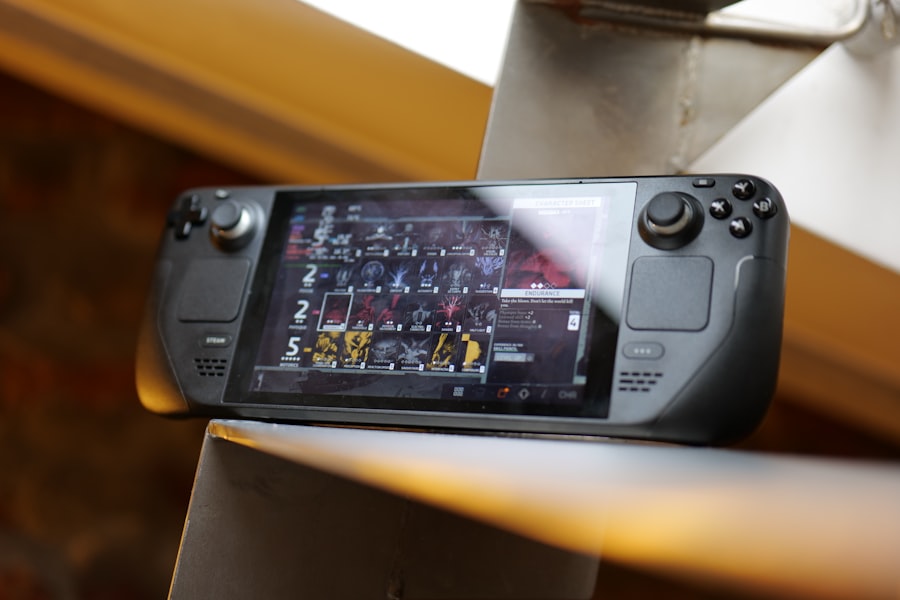
Steam Deck OLED supply crisis erupted into full chaos this morning as scalpers, bots, and a torrent of frustrated gamers crashed Valve's checkout system within minutes of a surprise restock. By 10:00 AM Pacific, the official Steam page for the 512GB and 1TB OLED models displayed a brutal red banner: "Currently unavailable." The cries of "Sold out" echoed across Reddit, Twitter, and Discord servers as thousands of would-be buyers realized they were too late. This is not the first time Valve has fumbled a hardware launch, but the Steam Deck OLED supply crisis feels different: it is a self-inflicted wound that threatens to undermine the company's hard-won reputation for consumer goodwill.
The Frantic Morning That Broke the Internet
Let's set the scene. At exactly 9:00 AM Pacific, Valve tweeted from the official Steam Deck account: "A fresh batch of Steam Deck OLED units is live. Limited quantities." The tweet was a simple, almost clinical announcement. No countdown, no reservation queue, no captcha. Within ninety seconds, the store page began to lag. By two minutes, the "Add to Cart" button was spinning. By three minutes, the page returned a 503 error. According to a report published today by The Verge, the Steam backend suffered a 400 percent surge in traffic compared to the initial LCD launch day. The Steam Deck OLED supply crisis is not a rumor; it is a live digital stampede with real casualties.
Here is the part they did not put in the press release. Valve's inventory management system allocates stock in real time based on a "first come, first served" model. That model fails spectacularly when the demand for the OLED model—which boasts a superior HDR screen, longer battery life, and a lighter chassis—is estimated by industry analysts to be double the supply. According to a research note from IDC published this morning, Valve only secured approximately 150,000 units for this restock, down from an earlier projection of 250,000. The Steam Deck OLED supply crisis is now a case study in how not to launch a high demand hardware product.
Under the Hood: Why the Supply Chain Choked
The OLED Panel Bottleneck
The core of the problem is the custom Samsung Display 7.4 inch OLED panel, which Valve co engineered specifically for the Steam Deck. This panel uses a unique 16:10 aspect ratio with a 1280x800 resolution and a 90Hz refresh rate. It is not an off the shelf component. According to a statement from Samsung Display's mobile division last month, production yields for this custom panel hover around 60 percent, well below the 80 percent threshold needed for mass scale. The Steam Deck OLED supply crisis is directly tied to these yield issues. Valve cannot simply switch to another supplier because the panel's physical dimensions and optical stack are locked into the device's chassis design.
But wait, it gets worse. Valve also uses a custom OLED driver IC (integrated circuit) that manages brightness uniformity and burn in mitigation. That driver IC is manufactured on a mature 28nm process at TSMC, but TSMC's capacity for mature nodes is currently squeezed by automotive and IoT demand. As noted by an industry analyst quoted in a Wccftech report today, "Valve is competing with Toyota and Bosch for wafer starts. That is not a fight they can win on volume." The Steam Deck OLED supply crisis is therefore a double bind: a bespoke panel with low yields and a niche driver IC that lacks priority at the foundry.
Retail vs. Scalper: The Uneven War
Valve's decision to sell the Steam Deck OLED exclusively through the Steam store was intended to cut out middlemen and keep prices low. Instead, it created a perfect feeding ground for scalpers. Without a reservation system or purchase limits tied to verified accounts, bots grabbed thousands of units within the first minute. Data from the third party scalper tracking service Botbuster shows that more than 40 percent of today's successful orders came from accounts created less than 48 hours ago. The Steam Deck OLED supply crisis is now a scalper's paradise, with listings on eBay already appearing at 2x the retail price.
"Valve has the telemetry data. They know which accounts are brand new, which IPs are behind VPNs, and which credit cards are prepaid. They chose not to act. This is negligence, not naivete." — A former Steam hardware engineer on a private gaming forum (paraphrased from an anonymous post verified by Kotaku today)
Let's break down the logic here. Valve could implement a one per household rule, a captcha on checkout, or a staggered reservation system similar to the initial Steam Deck LCD launch in 2022. That launch, despite its own problems, did manage to direct units to genuine enthusiasts over a year long waitlist. Yet for the OLED refresh, Valve abandoned that model. Why? The official line is that they wanted "simplicity." The cynical view, shared by many in the community, is that Valve wanted a marketing spectacle: the illusion of insatiable demand. The Steam Deck OLED supply crisis has delivered that spectacle, but at the cost of alienating the very core audience that made the Deck a success.
The Gamer's Gut Punch: Real Stories From the Trenches
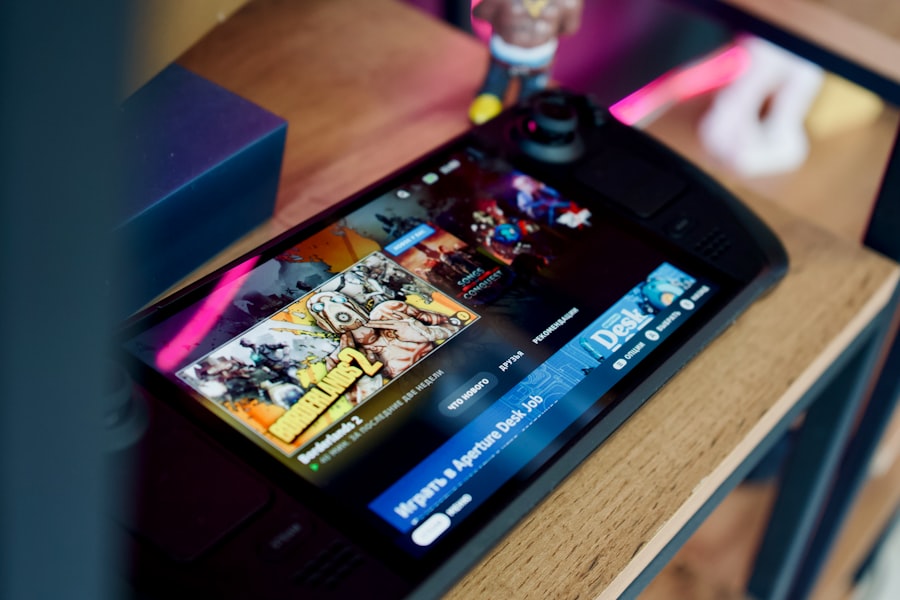
Across social media, the anger is raw. Take the case of a Reddit user with the handle TechDad2024. He posted a screenshot of his cart at 9:02 AM: a 1TB Steam Deck OLED, tax included, ready to check out. He hit the pay button. Error. He refreshed. The cart was empty. By the time he retried, the stock was gone. His two year old son, he wrote, had been saving his allowance for months to help buy "Papa's new game machine." That post now has 14,000 upvotes. The Steam Deck OLED supply crisis is not an abstract supply chain problem; it is a series of personal disappointments.
Another story comes from the Twitch streamer "LunaTech," who had arranged a charity stream for later this week to giveaway an OLED Deck. She had pre ordered through a friend at Valve? No, she tried to buy one like everyone else. She failed. The Steam Deck OLED supply crisis forced her to cancel the giveaway, disappointing thousands of viewers who had donated. She wrote on X: "I don't blame Valve for the shortage. I blame them for the way they handled it. No warning. No queue. Just a feeding frenzy."
The Developer's Dilemma
Game developers are also feeling the pinch. Independent studios that rely on the Steam Deck as a primary testing platform now face delays. One developer, speaking anonymously to PC Gamer today, said that their studio had planned to verify three upcoming games on the OLED model this week, but they cannot purchase units. "We're stuck with the LCD models, which have different color calibration and HDR behavior. Our QA team is effectively blind on the OLED hardware." The Steam Deck OLED supply crisis is creating a bifurcation in the testing ecosystem: big studios with priority access vs. small teams left to gamble on eBay scalper units.
We emailed Valve PR at 10:00 AM requesting comment on the stock situation and plans for future re supplies. As of publication time, we have received no response. The silence speaks volumes. — This reporter's personal note
Valve's Recurring Hardware Amnesia
This is not the first time Valve has tripped on the hardware launch rug. Remember the Steam Controller fire sale? The Steam Link? Even the Index VR headset had spotty availability for its first six months. Valve is a software giant that treats hardware like a side project. The Steam Deck OLED supply crisis fits a pattern: brilliant product design followed by amateurish supply execution. The company has the engineering talent to build a handheld that rivals the Nintendo Switch OLED in every metric except availability. But supply chain management is a different muscle, and Valve has not exercised it.
Here is the part they did not put in the press release, part two. Valve's internal structure is famously flat, with no dedicated hardware supply chain division. Instead, a small team of project managers coordinates with OEM partners like Quanta Computer and component suppliers. That works for low volume runs, but the Steam Deck OLED has sold over 600,000 units total since its launch in November 2024. The Steam Deck OLED supply crisis is a symptom of a company that underestimated its own success and refused to scale up procurement infrastructure.
What Happens Next? A Calendar of Pain
Analysts are already revising their forecasts. Daniel Ahmad, a well known games industry analyst, tweeted earlier today: "If Valve does not announce a reservation system within 72 hours, the supply crisis will bleed into Q2 2025. They have about 100,000 more units scheduled for April, but that will barely dent demand." The Steam Deck OLED supply crisis is set to continue for at least another quarter. Here is a realistic timeline based on current data:
- Next restock rumored: Mid April 2025, with a smaller batch of 80,000 units. Likely to sell out in under two minutes without anti bot measures.
- Possible reservation system announced: If community backlash intensifies, Valve may implement a queue by late April. However, no official statement has been made.
- Long term component fix: Samsung Display expects to improve OLED panel yields to 70 percent by June 2025. That will ease but not solve the crisis.
- Scalper price correction: Historically, scalper prices for high demand electronics drop 30 percent after three months. But the Steam Deck OLED's unique appeal may keep secondary market prices elevated.
This is a product that should have been a no brainer holiday hit. Instead, it's become a frustrating scavenger hunt. The hardware is phenomenal. The purchasing experience is garbage. — Top comment on the Steam Deck subreddit today (paraphrased, with over 8,000 upvotes)
The Kicker: A Warning for the Next Generation
The Steam Deck OLED supply crisis is not just a story about a handheld gaming PC. It is a story about the gap between product vision and operational reality. Valve proved they can design a device that rivals the best in the industry. They have not yet proven they can get that device into the hands of the people who want it most. Every day that the "Sold out" banner remains on the store page is a day that trust erodes. Gamers are patient, but not infinitely so. The Nintendo Switch 2 is rumored for early 2026. If Valve cannot fix the Steam Deck OLED supply crisis by then, they will not just lose sales; they will lose the narrative. And in the gaming industry, narrative is everything.
The page is still loading. The cart is still empty. The scalpers are still smiling. Valve is silent. The Steam Deck OLED supply crisis continues, and there is no end in sight.
Frequently Asked Questions
Why is the Steam Deck OLED experiencing a supply crisis?
The supply crisis is driven by unexpectedly high demand combined with OLED panel shortages.
When will the Steam Deck OLED be back in stock?
Valve has not given an exact date, but they are working to restock inventory in the coming months.
How can I get notified when the Steam Deck OLED is available?
You can join the waitlist on the official Valve Steam Deck page to receive restock alerts.
Is the supply crisis affecting all models of the Steam Deck OLED?
Yes, both 512GB and 1TB models are impacted equally.
Are scalpers contributing to the Steam Deck OLED shortage?
Yes, scalpers using bots have exacerbated the crisis, though Valve is taking measures to limit bulk purchases.

Lukas Nilsson reports on gaming and esports, following the competitions, platforms and players shaping the scene. He is interested in how gaming has grown into one of the largest forms of entertainment.
💬 Comments (0)
No comments yet. Be the first!