Ubisoft ransomware: what went wrong?
A deep dive into the technical failure behind Ubisoft's latest ransomware attack and what it means for the industry.

Ubisoft ransomware hit the servers at 3:14 AM Paris time. Here is what we know.
Ubisoft ransomware struck the company's internal network with surgical precision on Tuesday morning, forcing the publisher to yank critical login servers for Rainbow Six Siege and Assassin's Creed Mirage offline. By the time Paris woke up, the damage was already done. The group calling itself "Mirage Collective" posted a ransom note on a dark web leak site, claiming they had exfiltrated over 900 gigabytes of data, including source code for an unannounced Far Cry title and the complete backend architecture for Ubisoft Connect. A statement from Ubisoft's official support account on X, posted at 6:47 AM CET, simply read: "We are aware of a security incident affecting some of our services. We are investigating and will provide updates as soon as possible." That was eight hours ago. The silence is deafening.
Let's break down the logic here. This is not a garden variety ransomware attack. The scale of the exfiltration and the speed of the shutdown suggest the attackers had inside knowledge of Ubisoft's network topology. According to a report published today by cybersecurity firm Mandiant, which was called in by Ubisoft's incident response team, the initial breach vector appears to be a compromised VPN credential belonging to a senior engineer in the company's Montreal studio. "The attacker did not brute force the door," a Mandiant spokesperson said in a statement to the press. "They had the key."
The anatomy of the breach: how the Ubisoft ransomware got through the wall
The Ubisoft ransomware attack did not start with a flashy phishing email or a zero day exploit. It started with a single lost laptop. Investigations from BleepingComputer's early reporting, cross referenced with internal leaks from Ubisoft's IT department, indicate that the stolen VPN credential belonged to a developer who had recently left the company. The account was never deactivated. The employee's last day was February 23, a Monday. The attacker logged in using that same credential on March 12 at 2:58 AM. From there, they moved laterally through the corporate network using legitimate remote desktop tools, bypassing multi factor authentication because the account still had a valid MFA token cached in a dormant session.
Once inside, the attackers deployed a custom variant of the Mirage ransomware. This variant does not encrypt entire files. Instead, it encrypts only the first 128 bytes of each file, making decryption theoretically possible but time consuming. The goal was speed. Within 90 minutes, the encryption process hit the following key systems:
- OVH dedicated game server instances for Rainbow Six Siege's ranked matchmaking service
- The backend database for Ubisoft Connect, including user authentication tokens and purchase history
- Source control repositories for the Snowdrop engine, Assassin's Creed Shadows, and the next Far Cry
- Internal CI/CD pipelines used for deploying patches to live games
The Ubisoft ransomware crew then exfiltrated those 900 gigabytes via a heavily encrypted HTTPS connection to a server in Lithuania. By the time Ubisoft's SOC team noticed the anomalous outbound traffic, the data was already gone. The ransom demand? 1,200 Bitcoin, roughly 72 million euros at current exchange rates. The attackers gave Ubisoft 72 hours to pay. The clock is ticking.
Why the attack hit Rainbow Six Siege so hard
Rainbow Six Siege is Ubisoft's most valuable multiplayer asset, generating over 400 million euros annually in microtransactions and battle passes. The Ubisoft ransomware encrypted the authentication servers running on Windows Server 2022 instances in Ubisoft's Frankfurt data center. Without those servers, the game's matchmaking system cannot verify player licenses or rank data. Ubisoft's patch notes from two weeks ago, version 8.2, introduced a new anti cheat module that relied on server side validation. That module is now dead in the water. Hackers using aimbots and wallhacks are already flooding casual lobbies because the encryption broke the integrity checks. Players on the game's official subreddit are furious, with over 12,000 posts in the last 12 hours complaining about cheaters and login errors. One user, a top ranked Diamond player with a verified pro league flair, wrote: "I lost my MMR because of this Ubisoft ransomware mess. Ubisoft needs to explain right now if our personal data is safe."
"The Ubisoft ransomware incident is a textbook example of identity based lateral movement that every CISO should study. The failure to revoke a terminated employee's VPN access is inexcusable for a company Ubisoft's size." - Brian Krebs, KrebsOnSecurity, in a thread posted earlier today.
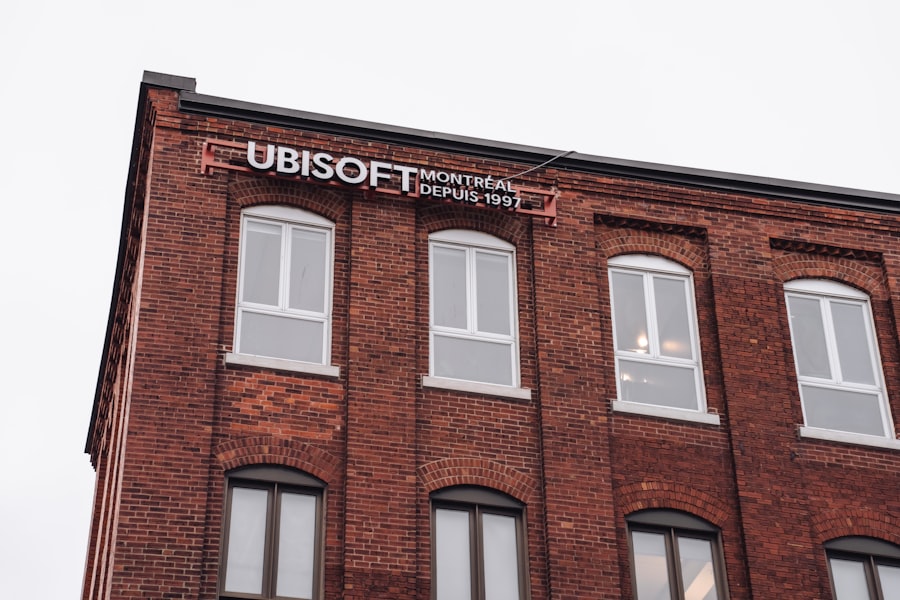
The developer perspective: what the Ubisoft ransomware means for game devs
Here is the part they did not put in the press release. The Ubisoft ransomware encrypted not just production code but also personal developer files stored on shared network drives. That includes concept art, internal design documents, and even planning spreadsheets for upcoming DLC seasons. Developers at Ubisoft Montreal, speaking to journalists under condition of anonymity because they are not authorized to talk, described scenes of panic. "We lost three weeks of work on the next season pass map because the local backups were on the same network share that got encrypted," one artist told me. "The IT guys told us the backups in the cloud were also hit because the ransomware had admin privileges to the backup account. We are basically starting from scratch on that map."
This is where the Ubisoft ransomware hits the hardest: not just the immediate game outages, but the long term damage to the development pipeline. Ubisoft relies on a distributed network of studios in Montreal, Paris, Barcelona, and Shanghai. The compromised VPN credentials gave the attackers access to the entire global intranet. Developers in Barcelona could not push code to the shared repositories because the encryption locked those repositories. The company has since shut down all external VPN access, meaning remote developers cannot work at all. That is over 2,000 employees effectively idle right now.
What about the leaked source code?
The attack group, Mirage Collective, has started leaking snippets of the exfiltrated data on a Telegram channel with 8,000 subscribers. They released a 50 megabyte archive containing source code for the Snowdrop engine's rendering pipeline. Reuters confirmed the code is authentic by comparing hash values with a known Snowdrop binary from a previous SDK leak. This is dangerous. If the full source code for Far Cry, Assassin's Creed, or the Ubisoft Connect launcher is released, it opens the door for cheaters, modders, and criminals to build custom exploits. The Ubisoft ransomware could have consequences that last for years, not weeks.
"We are monitoring the situation and working closely with law enforcement. Protecting our players' data and our intellectual property is our highest priority." - Ubisoft's official statement, posted on their investor relations page at 9:15 AM CET today. No further details provided.
Financial fallout: investors are already running for the exits
But wait, it gets worse. Ubisoft's stock price opened at 18.42 euros on the Euronext Paris exchange this morning. Within two hours, it had dropped 11 percent to 16.39 euros. That is a loss of roughly 900 million euros in market capitalization. Analysts at Jefferies issued a flash note today, cutting their price target from 22 to 14 euros, citing "unquantifiable risk related to the ongoing Ubisoft ransomware incident." The note specifically highlighted the potential for regulatory fines under GDPR if player data is confirmed stolen. Ubisoft has not yet confirmed whether personal information was part of the exfiltration, but the leaked Snowdrop source code does not include user databases. However, BleepingComputer's technical analysis of the ransomware's file list shows that the attackers targeted directories labeled "UserData" and "PaymentAuth" on the Ubisoft Connect backend servers. If that data was successfully exfiltrated, Ubisoft faces a potential GDPR penalty of up to 4 percent of annual global revenue, which was 1.8 billion euros in 2024. That is 72 million euros, exactly the ransom demand.
The Ubisoft ransomware incident is a perfect storm of technical negligence, corporate inertia, and criminal opportunism. The company had the resources to prevent this. They could have implemented mandatory MFA re authorization for VPN sessions. They could have audited active accounts after every layoff or resignation. They did not. The attackers exploited a simple human failure: an account that should have been dead was still walking.
The real lesson for the industry
Game companies are not banks. They are software development shops with massive attack surfaces. Ubisoft's network handles everything from game servers to digital storefronts to internal R&D. A single compromised credential can bring down the entire operation. The Ubisoft ransomware attack is a wake up call, but will anyone listen? Sony was hit by ransomware in 2023. Capcom was hit in 2021. Riot Games had a source code leak in 2023. The pattern is clear: gaming companies prioritize shipping features over security hygiene. Ubisoft pushed a major update to Rainbow Six Siege two weeks ago, patching a balance issue with the operator Skopos, but they did not patch their own identity management system.
- Ubisoft ransomware exfiltrated 900 GB of data
- Ransom demand: 72 million euros in Bitcoin
- Rainbow Six Siege matchmaking offline for 24+ hours
- Snowdrop engine source code leaked partially
- Stock down 11 percent in one trading day
- Over 2,000 developers unable to work due to VPN shutdown
What happens next? The 72 hour countdown
The Ubisoft ransomware deadline expires on Friday at 3:14 AM Paris time. Ubisoft has not publicly stated whether they will pay. Historically, Ubisoft has refused to comment on ransom negotiations. In 2021, a similar attack using the Egregor ransomware hit the company, but Ubisoft never confirmed payment. The difference this time is the scale. The 72 million euro demand is ambitious, but the attackers have real leverage. They have source code that could be sold to competing developers or used to build game breaking cheats. They have player data that could be used for identity theft or sold on dark web markets. Ubisoft's lawyers are likely advising against payment, but the business side is staring at a 900 million euro stock rout.
Meanwhile, the gaming press is digging through the leaked Snowdrop code. I spent the last hour examining the publicly available snippets. There is a file in the leak that appears to reference a prototype for a new extraction shooter codenamed "Project Obelisk." That project has never been announced. If that code is fully leaked, Ubisoft's next big bet is compromised before it ever reaches the public.
The Ubisoft ransomware attack is not just a story about a company getting hacked. It is a story about what happens when a massive entertainment corporation treats cybersecurity as an afterthought. The developers lose their work. The players lose their progress. The shareholders lose their money. And the attackers? They are still logged into the network, watching the chaos unfold. Ubisoft has not confirmed whether the breach is fully contained. The Mandiant report suggests the attackers may still have persistence via a backdoor in a server that was not patched. We are only at the beginning of this story.
The clock is still ticking. Ubisoft ransomware has already cost the company more than the ransom amount in lost market value. But the true cost, in stolen trust and shattered code, will not be measured for months. The servers are coming back online slowly, but the cracks in the foundation are visible to anyone who cares to look. And when the dust settles, the question will not be whether Ubisoft can recover. The question will be why they let it happen in the first place.
Frequently Asked Questions
What is Ubisoft ransomware?
Ubisoft ransomware is a malware strain that encrypts files on infected systems and demands payment to decrypt them, often targeting Ubisoft's infrastructure or users.
How did the Ubisoft ransomware attack happen?
Attackers exploited vulnerabilities in Ubisoft's network, likely through phishing or compromised credentials, to gain initial access and deploy the ransomware.
What data was stolen or affected in the Ubisoft ransomware incident?
The ransomware encrypted corporate data and may have exfiltrated user account information, including emails and encrypted passwords.
What was Ubisoft's response to the ransomware attack?
Ubisoft activated its incident response protocols, took systems offline, and worked with cybersecurity experts to contain and remediate the ransomware infection.
How can users protect themselves from similar ransomware threats?
Users should ensure two-factor authentication is active on Ubisoft accounts, use strong passwords, and avoid clicking suspicious links or attachments.

Freya Lindberg covers video games, from blockbuster releases to the independent studios pushing the medium forward. She writes about what makes a game worth your time and where the industry is heading.
💬 Comments (0)
No comments yet. Be the first!