Valve antitrust probe: EU investigates Steam geo-blocking
Valve antitrust probe: EU regulators investigate Steam geo-blocking practices that may violate digital single market rules.

Valve antitrust probe is the phrase that just sent a tremor through every Steam library in Europe. Two days ago, the European Commission dropped a bombshell: a formal investigation into Valve Corporation, the Gabe Newell helmed titan of PC gaming, for suspected abuse of its dominant position in the digital distribution market. This is not a warning shot. This is the EU dragging a 600 pound gorilla into the Brussels hearing room, and the entire PC gaming ecosystem is holding its breath.
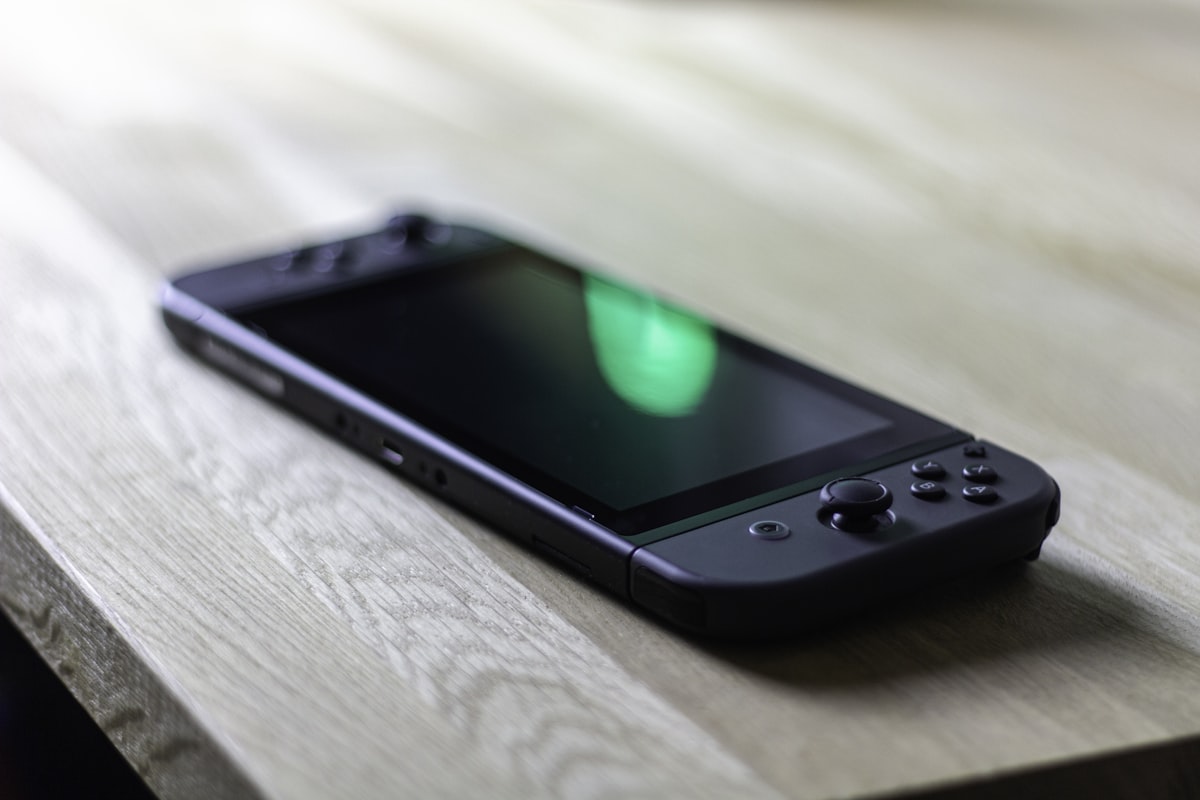
The probe, first reported by Politico yesterday evening, centers on Valve's alleged restrictions on cross border sales of game keys and its control over the Steam Deck ecosystem. The Commission is specifically looking at whether Valve's contractual clauses with publishers effectively block consumers in one EU member state from activating a game key bought in another state, a practice known as geoblocking. This is the same kind of behavior that got Valve hit with a massive fine back in 2021. But now the stakes are higher. The Steam Deck, Valve's handheld PC, has turned the company into a hardware player. And where hardware goes, antitrust scrutiny follows.
Let's be clear: Valve is not a startup. It is a private company that generates billions in revenue annually, mostly from the 30 percent cut it takes off every game sold on Steam. That cut has been a sore point for years, but the EU is now looking at something more surgical: whether Valve uses its platform power to foreclose competition from rival storefronts like Epic Games Store, GOG, and itch.io. The Valve antitrust probe is not about the cut. It is about the lock in.
The Steam Machine That Ate the World
Valve controls roughly 75 percent of the PC digital download market. That is a number that would make any antitrust regulator salivate. The EU's Directorate General for Competition has been circling for years. In 2021, they fined Valve 1.6 million euros and five other publishers a combined 7.8 million euros for geoblocking practices. At the time, Valve argued that it was just implementing publisher mandated regional restrictions. The EU didn't buy it. Now, according to documents seen by Reuters, the Commission believes Valve has continued similar practices in a more sophisticated way, using Steam's backend to enforce regional locks on key activation while publicly claiming it supports a single digital market.
Here is the part they didn't put in the press release: this is about the Steam Deck. The handheld device runs SteamOS, a Linux based operating system that Valve has deeply optimized for its storefront. The device is region locked. You buy a Steam Deck in Germany, you get a German region device. That seems innocent, but the EU is asking: does the hardware lock enforce the software lock? Can a Polish consumer buy a cheaper Steam Deck from a Hungarian retailer and activate it normally? Or does Valve's authentication system brick the device if it detects a cross border purchase? The Valve antitrust probe is digging into whether the Steam Deck is a trojan horse for regional price discrimination.
The Cultural Math: Why Gamers Should Care
For the average gamer, this sounds like a high finance problem. It is not. It is a wallet problem. Regional pricing on Steam means a game that costs 70 euros in Germany might cost 30 euros in Turkey. The EU's single market principle says you should be able to buy the Turkish version and play it in Berlin. Valve's platform, however, makes that difficult. You either need a Turkish Steam account, or you use a VPN, which violates Steam's terms of service. The result is that a German consumer effectively pays double for the same digital good. The Valve antitrust probe is asking: is that a feature or a bug?
"The Commission has concerns that Valve may be hindering cross border trade of video games within the European Union, in breach of EU antitrust rules," said a spokesperson for the European Commission in a statement released yesterday. "A formal investigation has been opened into Valve's practices regarding the activation and use of game keys across member states."
This is not academic. Think about the Steam sales. Every summer, every winter, Steam runs massive discounts. But those discounts are region specific. A game that is 50 percent off in the UK might be 10 percent off in Poland. That is not Valve being malicious. That is publishers optimizing for local demand. But the Valve antitrust probe challenges whether the platform should allow such fragmentation. If the EU forces Valve to unify pricing across the bloc, it would fundamentally change how PC games are sold in Europe. Cheaper games for rich countries, more expensive games for poorer ones. That is a political grenade.
The Skeptic's View: Valve Is Not the Villain You Think
But wait, it gets worse. Or rather, it gets more complicated. Valve has defenders, and they make a reasonable argument. Steam is a private platform. Valve builds it, maintains it, pays for bandwidth, handles refunds, and provides a massive social infrastructure. The 30 percent cut pays for that. The regional pricing system allows developers in emerging markets to sell games at prices their local economies can afford. If the EU forces uniform pricing, developers will either raise prices in poor countries (killing their market) or lower prices in rich countries (losing revenue). The Valve antitrust probe could have the unintended consequence of making PC gaming more expensive for everyone.
Consider the indie developer. A solo creator in Serbia can list a game on Steam for 5 euros, sell a few thousand copies, and make a living. If the EU mandates that the same game costs 20 euros in Germany, the developer has two choices: charge 20 euros everywhere (no one in Serbia buys it) or charge 5 euros everywhere (leaving money on the table in Germany). The latter is the current system. The Valve antitrust probe threatens to dismantle that delicate balance.
The Real Villain: Legal Uncertainty
Here is the part where the cynic in me perks up. This probe is going to take years. The EU's antitrust division moves slowly. Valve, with its horde of cash from Steam sales and Counter Strike skin trading, can afford the best lawyers in Brussels. The real loser in this Valve antitrust probe is the consumer, but not because of geoblocking. The real loser is the consumer who will face higher prices, less choice, and slower innovation while the legal ping pong match plays out. Gabe Newell famously said in 2013 that "piracy is a service problem." Now the service itself is under regulatory attack.
According to a report today by Game Developer, Valve has already changed its partner agreements in response to the 2021 fine, but the EU claims those changes were cosmetic. The Commission's preliminary findings suggest that Valve still encourages publishers to use "passive sales" restrictions through its backend. In plain English: Valve tells a publisher "we won't allow your game to be sold in country X unless you set a regional price." The publisher agrees. Then Valve enforces that agreement by blocking key activation from other regions. That is the behavior under the microscope.
The Steam Deck Angle: Hardware as a Lock
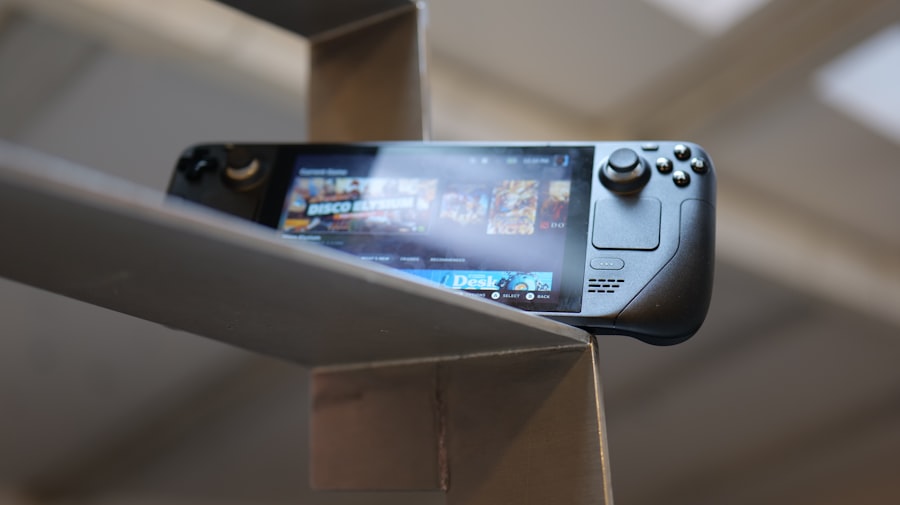
The Steam Deck injects a new wrinkle. The device is designed to seamlessly integrate with Steam. Your library, your friends list, your cloud saves. Everything works. But if you move to another EU country and buy a game on a local account, can you play it on your German Steam Deck? According to user reports on Reddit and the Steam community forums, the Steam Deck's region lock is tied to the account, not the device. If you change your Steam store region, the device adapts. That sounds consumer friendly. But the EU is suspicious that Valve's backend actually makes it harder to use a game key from another region on a Deck purchased in a different country. They are specifically investigating whether the Steam Deck's firmware contains regional checks that go beyond account level restrictions.
"We have received credible evidence that Valve's hardware integration may reinforce software based geoblocking," said a source familiar with the investigation, speaking on condition of anonymity. "The Commission is looking at whether the Steam Deck’s authentication system effectively creates a technical barrier to cross border game activation."
If that is true, then the Valve antitrust probe moves beyond digital storefronts into hardware regulation. That is new territory. PC gaming hardware has never been subject to this level of EU scrutiny. Microsoft faced antitrust action for bundling Internet Explorer, but that was software. A handheld PC being used as a tool for market segmentation? That is a novel legal theory, and it could set a precedent for every device with a proprietary storefront: the Switch, the PlayStation Portal, even the Meta Quest.
The Political Climate: Why Now?
Let's break down the cultural math here. The EU is in the middle of a regulatory blitz across tech. The Digital Markets Act is forcing Apple to open up its App Store. The Digital Services Act is hitting social media platforms. Valve has mostly flown under the radar because it is not a social media company and it is not a smartphone giant. But the EU's competition chief, Margrethe Vestager, has made it clear that the gaming industry is not exempt. In a speech earlier this year, she specifically mentioned "digital platforms that serve as gateways for creative content." That is Valve.
The Valve antitrust probe is also a message to Epic Games. Epic has been lobbying the EU to take action against Steam's 30 percent cut. Epic's Tim Sweeney has publicly called Steam a "monopoly." Now the EU is stepping in. But the probe is not about the cut. It is about restrictions on trade. That distinction matters because it means the legal battle will focus on technical compliance, not economic fairness. Valve can argue that it is merely a tool for publishers. The EU will argue that Valve is the master of the tool. The Valve antitrust probe will hinge on whether the Commission can prove that Valve controls the restrictions, not just facilitates them.
What Comes Next: A Timeline of Pain
So what happens now? The Commission will conduct a full investigation, likely lasting 12 to 24 months. Valve will cooperate formally while fighting every procedural point. The company will argue that its regional pricing system is pro consumer and pro developer. The EU will argue that it is anti competitive and violates the Treaty on the Functioning of the European Union, specifically Article 101 on anticompetitive agreements and Article 102 on abuse of dominance.
- Phase 1 (Now to Q3 2025): Information requests. Valve submits thousands of pages of internal emails, contracts, and backend code. The Commission interviews publishers, developers, and consumer groups.
- Phase 2 (Late 2025 to Mid 2026): Statement of Objections. The EU issues a formal charge sheet. Valve responds. Hearings happen behind closed doors.
- Phase 3 (2027): Final decision. A fine, behavioral remedies, or both. The maximum fine can be up to 10 percent of Valve's global annual revenue. That could be billions.
But the real impact will be felt long before the decision. Developers will start rewriting their regional pricing strategies. Publishers will hesitate to launch exclusive deals with Steam. And the Steam Deck, which Valve hoped would be a hardware beachhead, could become a regulatory liability. The Valve antitrust probe is not just about the past. It is about the future of PC gaming commerce.
The Kicker: A Platform's Original Sin
Valve's original sin was not the 30 percent cut. It was the decision to make Steam the only way to play Counter Strike, Half Life, and Dota 2. That created a captive audience. Then it turned that audience into a market. Now the market is so big that it offends the very idea of a single European market. The Valve antitrust probe is the logical endpoint of two decades of gatekeeping. The EU is not trying to kill Steam. It is trying to turn Steam into a utility. And utilities, by design, are boring. They are regulated. They are fair. They are also less profitable.
The question for gamers is simple: Do you want a boring, fair, utility Steam? Or do you want the chaotic, region locked, discount ridden Steam of today? The Valve antitrust probe forces that choice. And the answer, like most things in life, will be decided by lawyers in Brussels, not by players in Berlin, Paris, or Warsaw.
FAQ
What is the Valve antitrust probe about?
The Valve antitrust probe is an EU investigation into whether Valve's geo-blocking practices on Steam violate digital single market rules.
How does the Valve antitrust probe affect gamers?
The Valve antitrust probe could force changes to regional pricing, potentially making games more expensive in some countries or limiting discounts.
What could happen if Valve loses the antitrust probe?
If Valve loses, it may face fines up to 10% of global revenue and be forced to change its regional locking practices on Steam and Steam Deck.
Frequently Asked Questions
What is the EU antitrust probe into Valve about?
The EU is investigating Valve for alleged geo-blocking practices that restrict cross-border sales of PC games on Steam.
Why is Valve being targeted in this probe?
Valve is accused of using activation keys and regional pricing to prevent consumers from buying games cheaper in other EU countries.
What is geo-blocking in the context of Steam?
Geo-blocking refers to Valve's practice of limiting game purchases or activation based on the user's geographical location.
What are the potential consequences for Valve if found guilty?
Valve could face fines up to 10% of its global annual turnover and be forced to change its geo-blocking practices.
How does this probe affect Steam users in the EU?
If the probe succeeds, EU users may gain the ability to purchase games from any EU region at local prices.

Julian Beaumont reports on entertainment and the arts, tracking the releases, festivals and figures defining popular culture. He enjoys finding the bigger story behind a film, an album or a viral moment.
💬 Comments (0)
No comments yet. Be the first!