Inside the Palestine Museum Digital Archive
How the Palestine Museum Digital Archive uses open-source tools and global backups to protect cultural heritage.
The Palestine Museum Digital Archive marks a profound shift. It's about how endangered societies preserve their cultural assets under conditions of physical conflict and territorial fragmentation. Located physically in Birzeit, the Palestinian Museum has transitioned from a traditional localized exhibition space into the nerve center of a highly distributed digital preservation network, and this strategic evolution comes at a critical moment. But visual artist and general director Amer Shomali states that approximately 80 percent of the national collections have been looted, destroyed, or remain under Israeli control. It's redefining the relationship between physical territory and cultural inheritance by using open-source technology to bypass physical blockades and geographical restrictions. It's not just a backup system. So the digital platform serves as an active infrastructure for cultural continuity.
An unlootable repository in a fragmented geography
This move is part of a broader pattern. It's a deliberate strategy. Cultural institutions are using digital platforms to survive physical vulnerability, and the museum building designed by Heneghan Peng architects sits among native gardens and cascading terraces in the West Bank. But physical access is heavily restricted by regional checkpoints. A 2025 report by the Applied Research Institute-Jerusalem indicates that at least 2,400 archaeological sites in the West Bank have been taken over by Israel. Physical preservation alone is a high-risk strategy under these conditions. So the establishment of the archive in 2018 was a deliberate response to this vulnerability, creating a decentralized repository designed to exist beyond the reach of physical seizure or localized destruction.
It began with simple door-to-door engagement. Museum workers visited families in the West Bank to ask permission to scan personal histories, and this grassroots method has since scaled into an expansive digital asset management project. So the platform now hosts a vast array of digitized cultural materials, including.
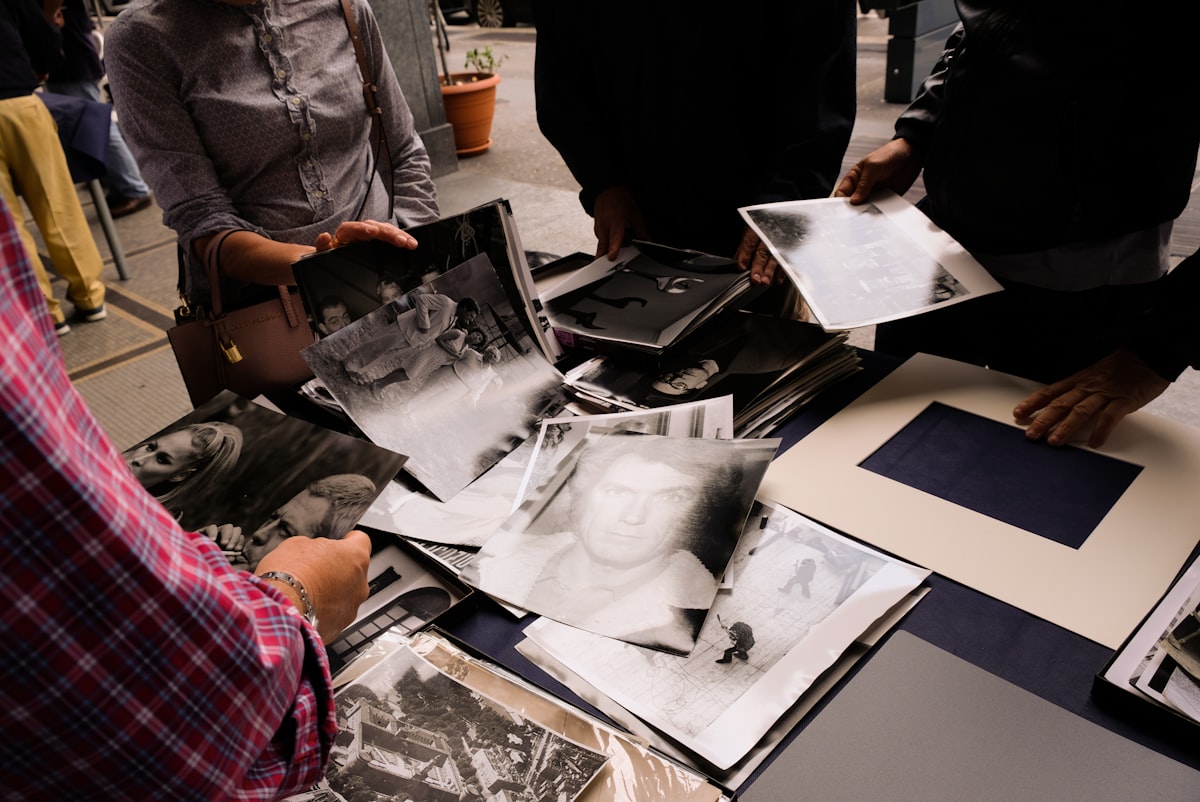
- Over 500,000 digitized photographs documenting daily life and historical events.
- Personal identification papers, family letters, and private diaries.
- Historical maps, films, and rare documentation of community life.
- Delicate nineteenth-century religious texts and early twentieth-century newspapers.
The technical architecture of decentralized preservation
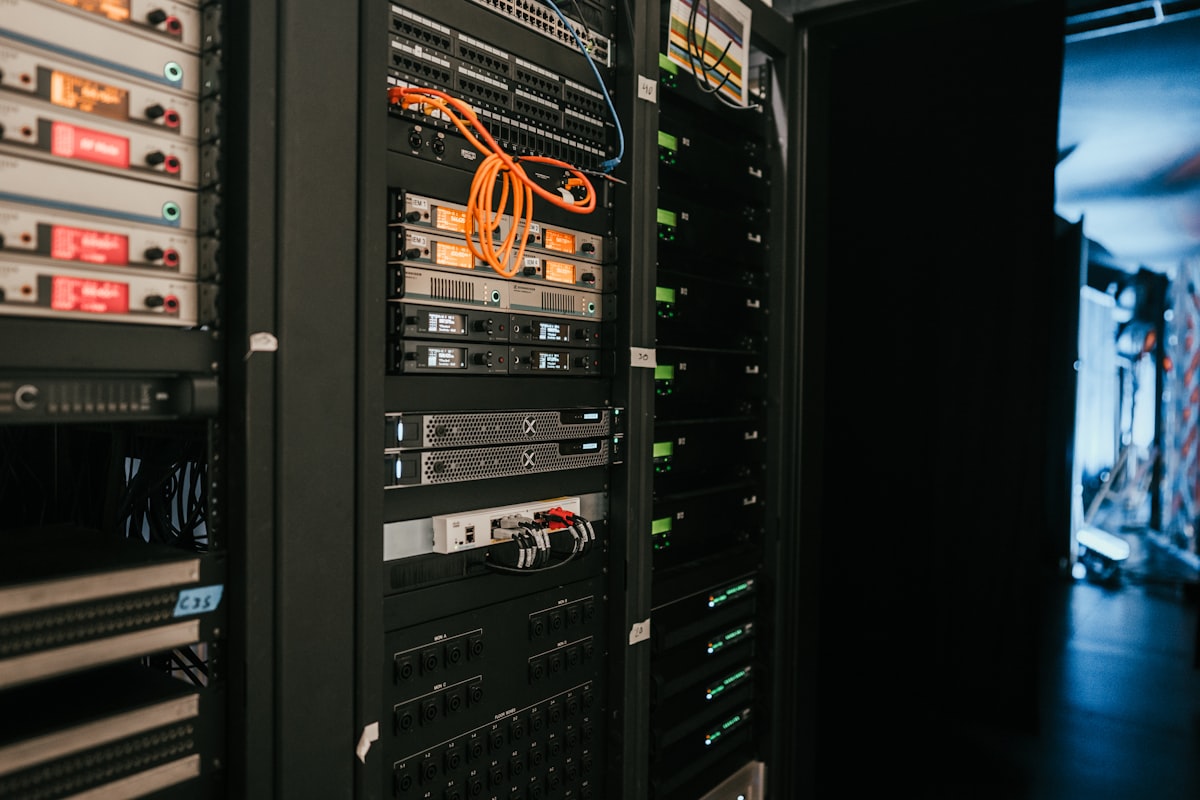
From a strategic standpoint, the project relies on geographic redundancy to counter ongoing digital threats. But the museum faces frequent cyberattacks, and its website goes down almost every month. It's a brutal reality. To survive these disruptions, the technical team maintains multiple backup copies of the entire database, stored in secure locations around the world so that if one server is compromised or a physical site is damaged, the archive can be reinitiated immediately from an external backup. That's smart. This distributed system ensures the historical record no longer depends on a single physical facility or server infrastructure.
Managing this scale of digital assets isn't easy. It demands specialized labor and modern technology. The museum employs three full-time staff members who focus exclusively on digitization, metadata creation, and historical research, and they're supported by global volunteers, diaspora donations, and partnerships with the University of California and the Gerda Henkel Foundation. So the team performs detailed cataloging, translation, and linguistic proofreading. But they can't stop there. The institution is also exploring a specialized bot capable of reading Ottoman Arabic to help automate the processing of complex historical records.
Strategic scaling through open access
The exhibition in a box concept
To maximize the reach of the Palestine Museum Digital Archive, the team developed a decentralized distribution strategy described as an exhibition in a box. It's a simple, powerful idea. This model allows users anywhere in the world to download curated exhibition materials, print them locally, and stage physical displays regardless of their budget constraints. And it works. By removing the financial and logistical barriers of international art transport, the museum has successfully enabled its collections to be exhibited over 260 times in diverse global locations ranging from Japan to San Francisco.
Academic and curatorial integration
The platform's open accessibility makes it an essential resource for international curators and contemporary artists. So in Madrid, curator Pablo Llorca spent two months researching the collections to create an exhibition titled To Tell My Story, which traveled to approximately 15 locations across Spain with interest from the Spanish Ministry of Culture. That's a lot of ground. But in San Francisco, artist Leyya Mona Tawil utilized the digital music archive to create a public exhibition focused on historical recordings, and this integration shows how digital preservation feeds directly into global cultural production.
Reclaiming history from the bottom up
Strip away the marketing. The calculation is straightforward. This digital archive functions as a decentralized database that challenges centralized state narratives by digitizing private family letters, local maps, and personal diaries, building a historical record from the ground up based on individual and community experiences rather than state-sanctioned archives. So this structure democratizes historical preservation. It gives families agency over how their personal stories are documented and shared globally.
All of a sudden, you start to have this mesh, this web of information and data, and it allows you to rewrite the history, but interestingly, bottom-up in the sense that it is not a state archive.
Amer Shomali, General Director of the Palestinian Museum
This bottom-up approach demands meticulous physical handling and strict ethical standards. It's tough work. Mohammad Rabae, who manages the digitization process, works with highly fragile artifacts, including a nineteenth-century Bible printed in Jerusalem and a brittle 1930 newspaper. So he carefully unfolds damaged pages and captures high-resolution images while respecting the privacy and dignity of the individuals represented in the files. The goal is clear. It's to preserve both the physical evidence of the past and the ethical integrity of the historical record.
Future technical and regional horizons
The wider sector reveals a stark truth. Cultural institutions in high-conflict zones must prioritize digital infrastructure alongside physical security, because they've learned that bombs don't just destroy buildings but can erase entire histories if there's no backup plan. But the museum has shifted its focus. It's building a resilient model from physical custody to digital distribution that ensures cultural heritage can survive physical displacement, territorial changes, or any other barrier on the ground. So the strategic goal remains clear. It's to build an archive that stays accessible to future generations.
Frequently Asked Questions
What is the primary purpose of the Palestine Museum Digital Archive?
The archive serves as an active infrastructure for cultural continuity, designed to preserve cultural assets under conditions of physical conflict and territorial fragmentation. It uses open-source technology to bypass physical blockades and geographical restrictions, creating an unlootable repository in a fragmented geography.
How did the Palestine Museum Digital Archive begin collecting materials?
It began with door-to-door engagement, where museum workers visited families in the West Bank to ask permission to scan personal histories. This grassroots method has since scaled into an expansive digital asset management project.
Why did the museum establish the digital archive in 2018?
The establishment was a deliberate response to the vulnerability of physical preservation, as approximately 80 percent of national collections have been looted, destroyed, or remain under Israeli control. The decentralized repository was designed to exist beyond the reach of physical seizure or localized destruction.
What technical measures does the archive use to ensure data survival?
The technical team maintains multiple backup copies of the entire database stored in secure locations around the world. This geographic redundancy ensures that if one server is compromised or a physical site is damaged, the archive can be reinitiated immediately from an external backup.
How does the 'exhibition in a box' concept work?
This model allows users anywhere in the world to download curated exhibition materials, print them locally, and stage physical displays regardless of budget constraints. By removing financial and logistical barriers, the museum has enabled its collections to be exhibited over 260 times in diverse global locations.

Julian Beaumont reports on entertainment and the arts, tracking the releases, festivals and figures defining popular culture. He enjoys finding the bigger story behind a film, an album or a viral moment.
💬 Comments (0)
No comments yet. Be the first!