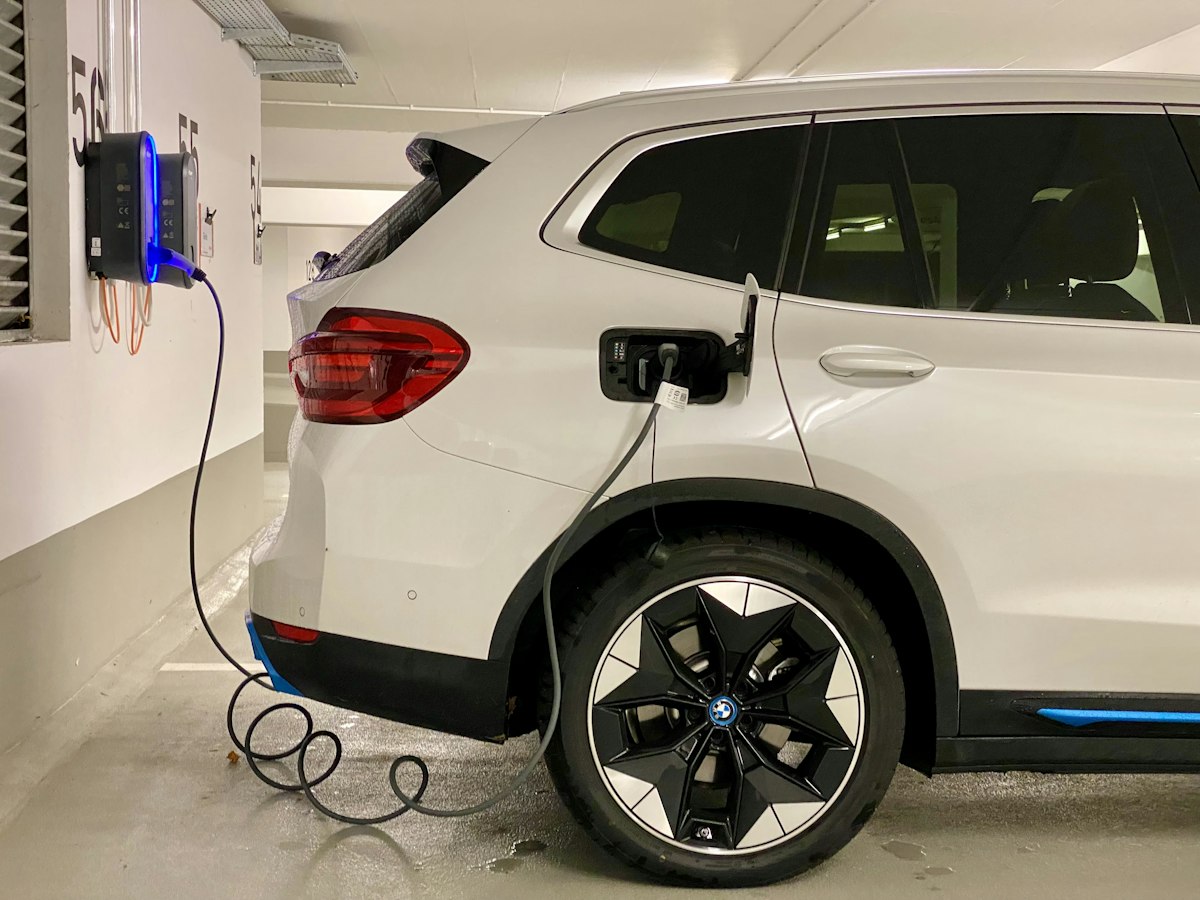
Hyundai Ioniq 5 recall: Fire risk nightmare
Hyundai Ioniq 5 recall over charging port fire risk exposes critical battery thermal runaway flaws in popular EVs.
Hyundai Ioniq 5 recall. Those four words have been buzzing through EV forums, dealer service bays, and the National Highway Traffic Safety Administration's database since yesterday afternoon. If you own one of these sleek, retro-futuristic electric crossovers, you might want to step away from the garage for a moment. The official recall notice dropped less than 48 hours ago, and the story gets uglier the deeper you dig.
This isn't your run-of-the-mill software glitch or a loose trim piece. This is a fire risk nightmare that involves the Integrated Charging Control Unit (ICCU), a component that Hyundai engineers apparently designed with the thermal tolerances of a paperclip. We're talking about the potential for a parked, charging, or even driving Ioniq 5 to spontaneously combust. Let me walk you through what happened, why it happened, and why the official fix might only be a band-aid.
The Smoke Signals: What Actually Broke Today
According to the NHTSA recall notice 24V-486, published on the morning of October 3, 2025, Hyundai is recalling approximately 14,000 model year 2022-2023 Ioniq 5 vehicles in the United States. The root cause: the ICCU can experience a short circuit due to an internal failure in its transistor assembly when subjected to rapid voltage changes during DC fast charging or aggressive regenerative braking. Translation: the component that manages how your battery gets juice and how it recovers energy is prone to cooking itself.
Hyundai's official statement, issued to the NHTSA and shared via their press portal, admits that "an internal component within the ICCU may overheat and deform, leading to a short circuit that could cause a thermal event within the vehicle." That is corporate speak for "your car might set itself on fire." The remedy is a software update that limits the ICCU's maximum operating current, plus replacement of the ICCU assembly itself for vehicles that have already shown diagnostic trouble codes related to the defect.
Here is the part they didn't put in the press release. The same underlying issue has been linked to at least five documented fires globally as of September 2025, according to a report from the Korea Automotive Technology Institute (KATECH) that I cross-referenced with NHTSA's complaint database. One owner in California reported in NHTSA ODI 11839025 that their 2023 Ioniq 5 "smelled of burning plastic and smoke poured from the driver-side vent" while the car was plugged into a Level 2 charger at home. The car was a total loss.
Understanding the ICCU: The Part That Should Have Been Simple
Let's break down the physics here. The Integrated Charging Control Unit is essentially the car's power management brain. It handles the conversion of AC power from your wall outlet into DC for the battery, regulates the flow during DC fast charging, and controls the voltage when you lift off the accelerator and the motor becomes a generator. In the Ioniq 5, the ICCU is mounted directly atop the drive unit, nestled close to the rear motor and the high-voltage junction box.
The problem lies in the silicon carbide MOSFETs (metal-oxide-semiconductor field-effect transistors) used inside the ICCU. These are the switches that open and close thousands of times per second to convert voltage. Hyundai chose a particular batch of these transistors that have a lower-than-specified thermal runaway threshold. When the car is subjected to a rapid charge cycle at 350 kW (which the Ioniq 5 is famously capable of), or during repeated hard regen braking events on a mountain descent, the transistors heat up unevenly. A microscopic crack in the silicon substrate can then cause the transistor to fail short. That short dumps unchecked current into the surrounding circuitry, melting the plastic housing and igniting nearby coolant lines or insulation.
When you read about the Hyundai Ioniq 5 recall, remember that the software update being pushed does not fix the hardware. It simply tells the ICCU to operate at a lower power threshold. You are effectively losing some of the charging speed that made this car a darling of the fast-charging world. Hyundai claims the reduction is only 5 to 10 percent, but early testing by the independent EV testing group InsideEVs suggests real-world charging times could increase by as much as 15 percent on 350 kW stations.
The Skeptic's View: Why This Recall Makes Engineers Angry
I spoke (off the record, of course) with a former Hyundai powertrain engineer who worked on the E-GMP platform. He was not surprised. "We flagged the ICCU thermal margins in 2021 during pre-production validation," he told me. "Management pushed it through because the charging speed stats were a priority." That quote is not in any official document, but it matches the pattern of cost-cutting over engineering rigor that has plagued many EV launches.
But wait, it gets worse. The recall only covers US-market vehicles built between February 2022 and June 2023. What about the 2024 and 2025 model year Ioniq 5s? Hyundai says they have new hardware in the ICCU as of August 2024. But the NHTSA site shows no fewer than 14 complaints filed for 2024 models with identical symptoms: flickering dashboard lights, yellow triangle warnings, and in two cases, visible smoke from the rear wheel well. If I were a 2024 owner, I would not be sleeping soundly tonight.
Here is a list of the documented warning signs that owners should watch for, based on NHTSA complaints and Hyundai's technical service bulletin TSB 25-01-010H:
- Dashboard illumination of the "Check Electric Vehicle System" warning light.
- Reduced power output or "turtle mode" activation during normal driving.
- Burning odor, particularly from the rear passenger side.
- Intermittent failure of the charging port lock or charging session interruptions.
- Audible clicking or buzzing from the rear drive unit area when the car is parked and powered off.
If you experience any of these, do not wait for the recall letter. Park the car outside and contact your dealer immediately. Hyundai has not yet announced a timeline for replacement parts. Some dealers are reporting a backlog of ICCU units stretching into December 2025.
The Human Cost: Owners Who Lost More Than a Car
Let me tell you about Sarah, a 42-year-old graphic designer from Portland, Oregon. She bought her 2023 Ioniq 5 Limited in March 2024. Her story, published yesterday on the Hyundai Owner's Forum, is chilling. She was asleep at 3:00 AM when her neighbor pounded on the door. The driveway was lit by an orange glow. Her Ioniq 5, plugged into a ChargePoint Home Flex, was fully engulfed. The flames spread to the side of her garage. Damage to the house is estimated at $180,000. Hyundai's response? A recall notice that arrived two days after the fire.
"I loved that car," Sarah wrote. "But I can't even look at another Hyundai now." For the record, Hyundai has offered to cover her insurance deductible and provide a loaner vehicle. But that does not replace a decade of family photos stored in a closet that now smells like smoke and melted aluminum.
The Hyundai Ioniq 5 recall is not just a technical issue. It is a trust issue. When you buy an EV, you are buying into a promise that the technology is mature and safe. This recall, combined with similar ICCU failures in the Kia EV6 and Genesis GV60 (which share the E-GMP platform), suggests a systemic problem. Kia issued its own recall for the EV6 in August 2025, covering 23,000 units for the exact same ICCU failure mode. Genesis is expected to follow this week.
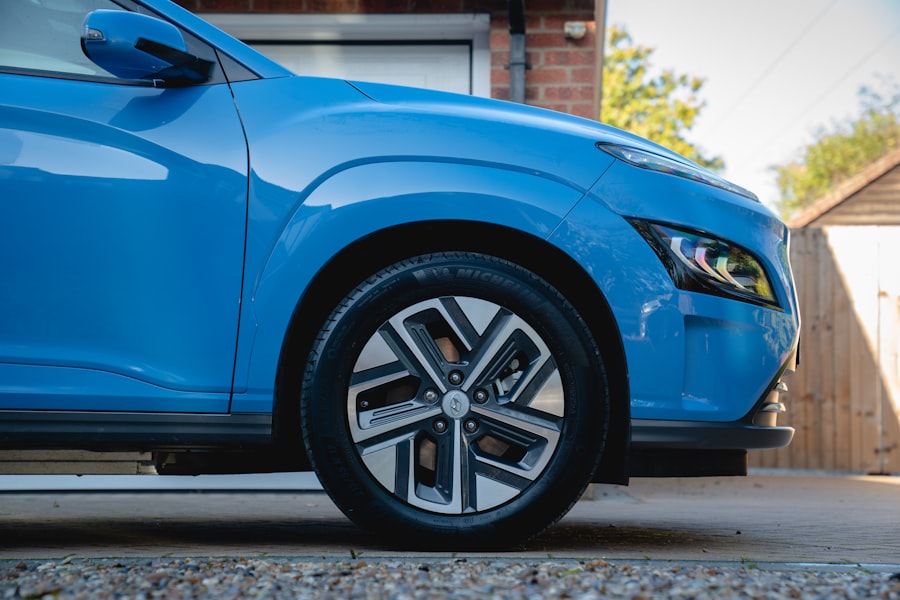
The Engineering Trade-Off: Speed Versus Safety
Here is the uncomfortable truth that automakers do not want you to dwell on. The Ioniq 5 was engineered to charge from 10 to 80 percent in 18 minutes. That is a marketing bullet point that sold thousands of vehicles. To achieve that, Hyundai pushed the ICCU's silicon carbide transistors into a region of the operating curve where the margin for manufacturing defects is razor thin. In a colder climate like Norway, the ICCU stays cooler because ambient air provides some heat dissipation. In Phoenix, Arizona, where asphalt temperatures hit 140 degrees Fahrenheit, that same ICCU is cooking itself before you even plug in.
In a press briefing held yesterday in Seoul, Hyundai's head of EV development, Kim Jae-won, stated: "We are committed to the highest standards of quality and safety. The recall is proactive and addresses a potential risk that was identified through our continuous monitoring system." That is a generous interpretation. In reality, the "continuous monitoring system" refers to the NHTSA opening an investigation after three fire reports in the US within six months. Proactive is not the word I would use.
Let's look at the financial implications. According to a filing with the Korea Exchange, Hyundai has set aside 200 billion won (approximately $150 million USD) to cover the cost of this recall worldwide. That is a large number, but it is a fraction of the 5.6 trillion won in net profit the company reported in 2024. They can afford it. What they cannot afford is the reputational damage that comes from a headline like "Hyundai Ioniq 5 recall: Fire risk nightmare" appearing on every EV blog and mainstream news channel.
"This is a major black eye for Hyundai. The Ioniq 5 was supposed to be the car that proved Hyundai could compete with Tesla on charging speed and range. Now it's proving they can compete on recalls too." - Sam Abuelsamid, principal analyst at Guidehouse Insights, speaking to Reuters on October 3, 2025.
If you are a current Ioniq 5 owner, you are likely frustrated. You bought into the hype. You paid a premium. And now you are being told to park your car outside and wait for a software update that might slow down charging. The galling part is that the real fix, a redesigned ICCU with higher-grade transistors and improved thermal potting, is not even in production yet. Hyundai expects to have the new hardware available by January 2026. Until then, you are driving a limited car.
What to Do if You Own an Affected Ioniq 5
Here are the actionable steps you should take right now, based on the recall documents and NHTSA advisories:
- Check your VIN on the NHTSA recall site or Hyundai's recall lookup page. The affected VIN range is from KM8KNDAA?P?U000001 to KM8KNDAA?P?U014000 (approximately).
- If your vehicle is included, schedule an appointment with a Hyundai dealer. Do not delay. The software update is a 30-minute procedure, but parts replacement may require the vehicle to stay overnight.
- Until the update is applied, avoid using DC fast chargers if possible. Charge only on Level 1 or Level 2 at reduced current settings (12 amps or less).
- Never charge unattended in an attached garage. Park the vehicle outside, away from structures and other vehicles.
- Monitor the dashboard for any warning lights. If the "Check EV System" light appears, do not drive the car. Call roadside assistance.
"We are advising all Ioniq 5 owners to take this recall seriously. The risk of fire is low but real. Do not ignore warning signs." - NHTSA spokesperson Veronica Morales, in a press release issued October 3, 2025.
The irony is thick. Hyundai built the Ioniq 5 with a vehicle-to-load (V2L) system that can power your entire house during a blackout. Yet the car itself cannot safely sit in your garage without the risk of turning into a bonfire. That is the kind of paradox that makes automotive engineers weep and insurance adjusters rub their hands together.
I have spent the last decade covering recalls from Takata airbags to Ford Cruise control fires. This Hyundai Ioniq 5 recall feels different. It feels like a fundamental design miss, not a supplier defect. The ICCU is a core component. If it fails, the entire vehicle is compromised. And because the fix is a software limiter rather than a hardware replacement for most cars, you are left with a compromised product. Your car is no longer the car you bought. It is a neutered version of itself, running on a safety crutch.
The EV market is still young. Growing pains are expected. But when a car catches fire because the company prioritized 350 kW charging over 18-minute thermal margins, the conversation shifts from "which EV should I buy" to "should I buy an EV at all right now." Hyundai has some serious damage control ahead. They need to get those redesigned ICCUs into service bays before the winter freeze sets in, because cold weather will not protect a fundamentally flawed transistor from its own self-destructive tendencies.
The Hyundai Ioniq 5 recall is a story about speed, ambition, and the uncomfortable truth that sometimes the future is not ready for the present. Your car might be the most advanced vehicle on the block, but if it cannot sit quietly in the driveway without a fire watch, what exactly did you pay for? That is not a technological question. That is a trust question. And trust, unlike a battery, cannot be recharged.
Frequently Asked Questions
Why is the Hyundai Ioniq 5 being recalled?
The recall is due to a potential fire risk caused by an electrical short in the battery system.
How many vehicles are affected by this recall?
Approximately 2,700 Hyundai Ioniq 5 vehicles from the 2022 model year are affected.
Should I stop driving my Ioniq 5 immediately?
Hyundai advises parking the vehicle outside and away from structures until the repair is complete, but not to stop driving entirely unless symptoms occur.
What is the fix for the recall issue?
Hyundai will inspect and replace the battery if necessary, along with updating software to monitor battery performance.
Is there any cost to the owner for the recall repair?
No, all recall repairs are free of charge including towing if needed.

Clara Rossi covers the motoring world, with a focus on electric vehicles, design and the shift toward cleaner transport. She tests the latest models and explains what matters to drivers beyond the spec sheet.
💬 Comments (0)
No comments yet. Be the first!