BMW Recalls Nearly 800,000 Vehicles Over Coolant Pump Fire Risk
BMW is recalling 799,131 vehicles in the U.S. due to a coolant pump connector that can overheat, causing a fire risk.
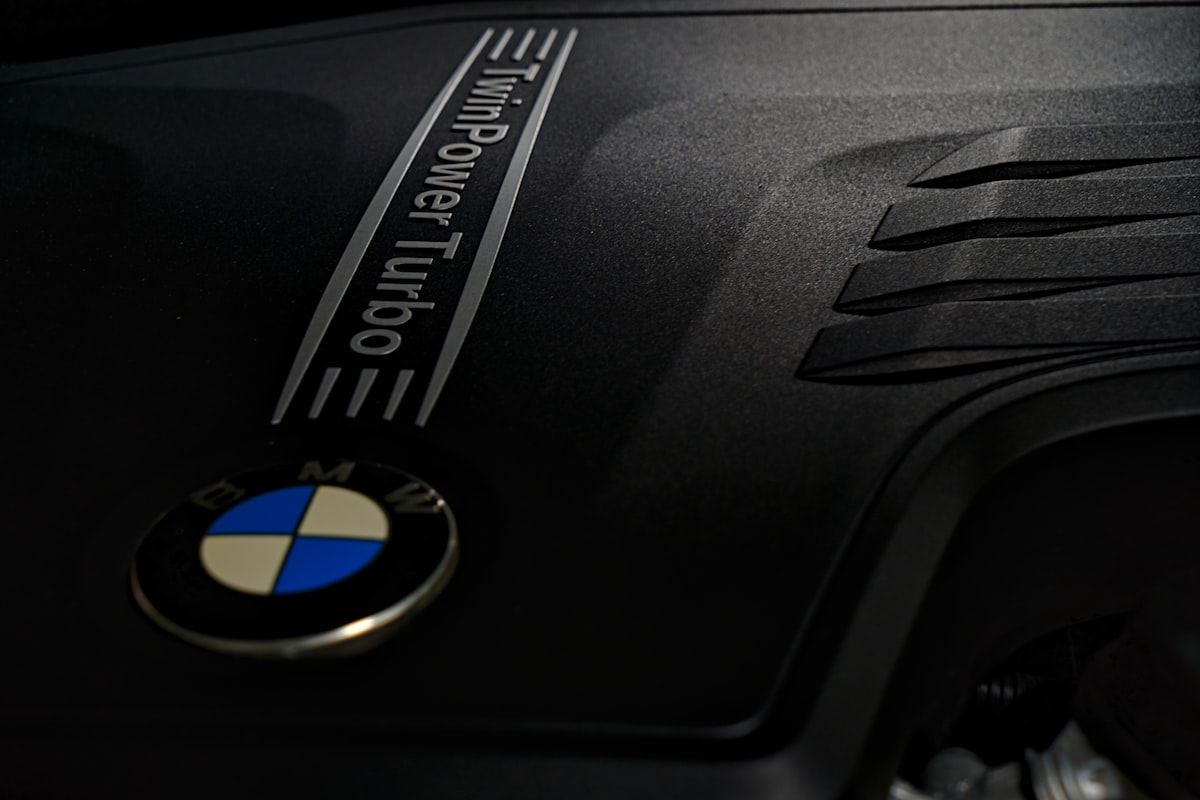
Nearly 800,000 vehicles are affected. BMW announced the recall earlier this month, covering many models produced over several years, after identifying a coolant pump defect that can cause a fire. And BMW says an electrical component may overheat under certain conditions, posing a fire risk even when the vehicle's parked and turned off.
It's a larger campaign. But the company hasn't released a full breakdown of affected models and production dates yet, and owners will receive notifications by mail starting in the coming weeks, with the repair performed free at any authorized BMW dealership.
But the press release skipped this. It's not just software. The coolant pump, a mechanical part that circulates coolant through the engine to prevent overheating, contains an internal circuit board that can fail, and when that happens the pump can continue to draw power even after the engine is shut off, leading to heat buildup and potentially a fire. That's the risk. BMW said it's received reports of a small number of incidents, but no injuries have been confirmed as of the announcement.
What the Coolant Pump Does and Why It Matters
Electric coolant pumps are common. They replace belt-driven mechanical pumps for precise control of coolant flow, which improves fuel efficiency and reduces emissions, but they also introduce a failure mode that mechanical pumps don't have, electronic failure. So when the pump's electronics short circuit or fail, it can run continuously, generating heat that may ignite nearby plastic components or fluid.
BMW has been using electric coolant pumps for over a decade, and because that design is shared across multiple engine families, a single defect can affect hundreds of thousands of vehicles across different model lines. That's approximately 790,000 vehicles. But the company didn't specify which models or years are involved, and the recall covers that many in the United States alone, with additional vehicles in other markets.
What BMW Is Doing About It
BMW said it will replace the coolant pump assembly with an improved version that includes an updated electrical connector and revised internal components designed to prevent overheating. Dealers have been instructed to inspect the pump and replace it regardless of any signs of damage.

Our customers' safety's top priority. And BMW said in a statement that they're conducting this recall out of an abundance of caution and encouraging all affected owners to schedule the repair as soon as they receive their notification.
Don't park inside. BMW also advised owners to park their vehicles outside and away from structures until the repair's done especially if they've noticed coolant smell or smoke, and they've set up hotline and website for checking inclusion.
What Owners Should Do Right Now
- Check your Vehicle Identification Number (VIN) on BMW's recall portal or the National Highway Traffic Safety Administration (NHTSA) website.
- If your vehicle is included, contact your local BMW dealer to schedule the coolant pump replacement.
- Until the repair is done, avoid parking the car inside a garage or near flammable materials.
- Watch for dashboard warning lights related to the cooling system or electrical system.
How This BMW recall Compares to Past Actions
This recall isn't the first. But in 2019, BMW recalled roughly 30,000 vehicles for a similar water pump connector issue, and the current recall is roughly 25 times larger because the affected pump is now used across entire product line. That recall was much smaller.
But there's a catch. The earlier recall fixed a different component, so this is a separate problem. BMW has been under pressure from regulators to improve its response to potential fire hazards and faced scrutiny over battery cooling systems in its electric vehicles, though they're not part of this action.
The Broader Industry Pattern
Electric coolant pump failures aren't unique to BMW. But other automakers have issued recalls for similar issues. None at this scale. The part is often sourced from a single supplier, meaning a design flaw can cascade across multiple brands, and BMW hasn't named the supplier for the pump involved in this BMW recall.
The recall highlights a growing trend: electronic components once considered low risk are now scrutinized more closely, and it's turned the simple coolant pump into a complex electromechanical unit with its own computer. It's worse than a leak.
It's starting within a month. So owners who've already paid for a coolant pump replacement could get reimbursed, and the company says it'll provide details on how to submit a claim in the recall letter.
For now, the best advice for any owner of a recent BMW is to check your VIN, take the notice seriously, and keep the car outside until the pump is swapped. A fire is rare. But it's not zero. And for a BMW recall of this size, the cost of acting early is much lower than the cost of waiting.
Frequently Asked Questions
What is the defect causing the BMW recall?
The recall is due to a coolant pump defect where the internal circuit board can fail, causing the pump to continue drawing power even after the engine is shut off. This can lead to heat buildup and potentially a fire, even when the vehicle is parked and turned off.
Why does the coolant pump pose a fire risk according to the article?
The coolant pump is an electric unit with an internal circuit board that can fail, causing it to run continuously and generate heat. This heat may ignite nearby plastic components or fluid, posing a fire risk even when the vehicle is off.
How many vehicles are affected by this BMW recall?
Approximately 790,000 vehicles are affected in the United States alone, with additional vehicles in other markets. The recall covers many models produced over several years.
What should owners do until their vehicle is repaired?
Owners should check their Vehicle Identification Number (VIN) on BMW's recall portal or the NHTSA website to see if their vehicle is included. Until the repair is done, they should avoid parking the car inside a garage or near flammable materials and watch for dashboard warning lights.
How does this recall compare to a previous BMW recall mentioned in the article?
In 2019, BMW recalled roughly 30,000 vehicles for a similar water pump connector issue, which is much smaller than the current recall. The current recall is about 25 times larger because the affected pump is now used across the entire product line, and it involves a separate problem.

Sebastian Wolf reports on the car industry, from performance machines to the engineering that powers them. He is fascinated by how manufacturers balance tradition with the rapid move to electrification.
💬 Comments (0)
No comments yet. Be the first!